
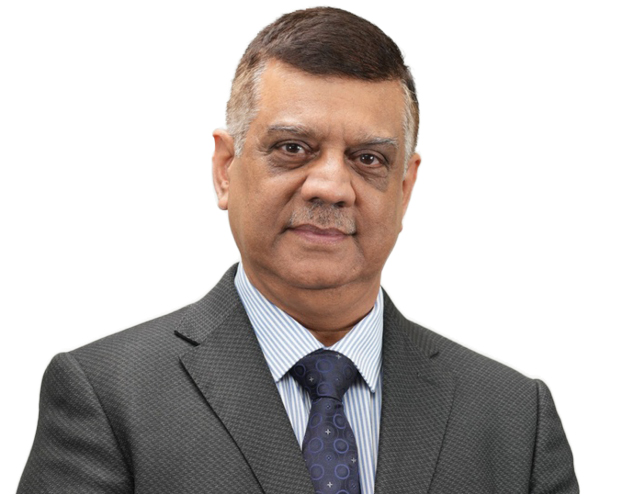
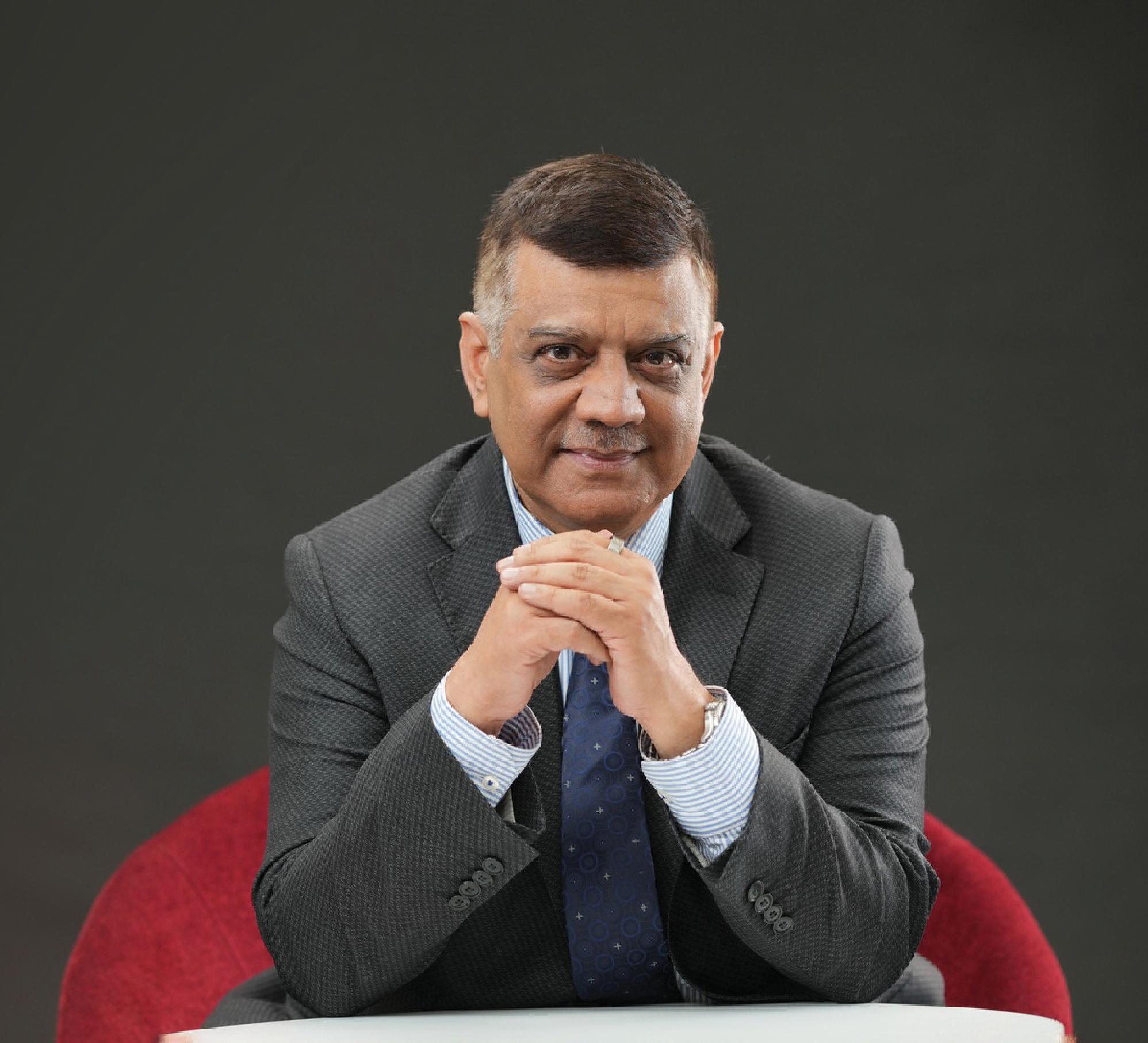
 Few corporate leaders have played as pivotal a role in shaping a nation’s digital transformation as Dr. Sunil Dutt, President, Devices & Sales, Reliance Jio Infocomm Ltd. With more than four decades of leadership across telecommunications, consumer electronics, and digital infrastructure, he has been at the forefront of India’s mobility revolution, transforming mobile connectivity from a premium service into an affordable necessity for millions.
Dr. Dutt’s distinguished career spans globally renowned organisations including Philips, Wipro, Whirlpool, Nokia, Samsung, Hewlett-Packard, BlackBerry, and now Reliance Jio, where he currently serves as President – Devices & Sales. Throughout his career, Dr. Dutt has consistently built market-leading businesses and redefined industry benchmarks. He played a central role in establishing Nokia’s market dominance in India, spearheaded Samsung’s rise to the country’s leading smartphone brand, strengthened Hewlett-Packard’s consumer business, and guided BlackBerry through a critical phase of India’s smartphone evolution.
At Reliance Jio, he has led the nationwide rollout of affordable digital devices and sales platforms that have enabled digital access for more than 500 million users, including over 250 million 5G subscribers, while building India’s largest telecom device and retail distribution ecosystem.
Beyond commercial success, Dr. Dutt is widely recognised as a champion of digital inclusion. His leadership has expanded affordable connectivity to rural communities, small businesses, entrepreneurs, farmers, students, and first-time internet users, making technology a powerful driver of economic and social empowerment.
Equally respected as a mentor, he has nurtured generations of business leaders who now occupy senior leadership positions across India and the world. In recognition of his extraordinary contributions to science, technology, and digital inclusion, he was conferred the Doctor of Science (Honoris Causa) by Veer Bahadur Singh Purvanchal University in 2025. Widely regarded as one of India’s most influential technology leaders, Dr. Dutt continues to demonstrate how visionary leadership, innovation, and a steadfast commitment to inclusion can transform industries and improve millions of lives.
The HRM Nepal had an email conversation with Dr. Dutt on a wide range of issues including leadership, sales and management prior to his visit to Kathmandu to address the Sales Summit, 2026, Nepal’s premier national gathering and learning platform for sales professionals, business leaders, and entrepreneurs held every year for a decade now. Excerpts of the interview with Dr. Dutt:
Q: With more than four decades of leadership across technology and telecommunications, could you briefly share your professional journey and the defining moments that shaped your career?
A: I’ve had the privilege of working through multiple waves of technological transformation, from consumer electronics to mobile communications and now digital platforms. Every role taught me something different, but one belief has remained constant… technology has value only when it improves people’s lives. At Jio, being part of India’s digital inclusion journey has been one of the most meaningful chapters of my career because it combines business growth with genuine social impact.
Q: You have held leadership positions at organisations such as Philips, Wipro, Nokia, Samsung, Hewlett-Packard, BlackBerry, and now Reliance Jio. Looking back, what leadership principles have remained constant despite the rapid evolution of technology?
A: Technology changes quickly, but leadership fundamentals rarely do. Integrity, humility, customer obsession, respect for people and the ability to keep learning have remained my guiding principles. Markets evolve, products evolve, but character and consistency are what people remember.
Q: During your tenure at Nokia, Samsung and Jio, you played a pivotal role in creating and expanding entirely new markets. What strategic lessons have you learned about building markets rather than merely competing within them?
A: Market creation begins with solving an unmet need, not with chasing competitors. When you make technology simpler, more affordable and more accessible, more relevant, demand follows naturally. Sustainable leadership comes from expanding the market itself and creating new markets rather than simply fighting for a larger share of an existing one.
Q: Reliance Jio has transformed digital connectivity through affordable devices and services. How do you strike a balance between innovation, affordability and commercial sustainability while serving millions of users in India?
A: Innovation is meaningful only when millions can access it. The challenge is designing solutions that are affordable without compromising quality or experience. Scale, operational excellence and long-term thinking make that balance possible, while keeping the customer at the centre of every decision. When you focus on 1.4 billion and serve them, sustainability is assured.
Q: You have managed large, diverse teams across multiple organisations. What leadership capabilities are most critical for executives operating in fast-changing markets like India and Nepal?
A: Leaders today need agility, empathy and decisiveness in equal measure. Markets change quickly, but people still look for clarity, trust and direction. Those who can adapt while keeping their teams aligned around a shared purpose will always have an advantage.
Q: In rapidly evolving industries, leaders often face the tension between aggressive growth targets and sustainable organisational culture. How have you balanced commercial performance with people development throughout your career?
A: Business performance and people development are not competing priorities – they reinforce each other. Strong cultures consistently produce stronger results. I’ve always believed that investing in people, empowering them and recognising their contributions creates organisations that outperform over the long term.
Q: Artificial intelligence, cloud computing and 5G are reshaping industries worldwide. How do you foresee these technologies transforming the lives of ordinary citizens, businesses and public services over the next decade?
A: These technologies will increasingly become invisible but indispensable. Citizens will experience better healthcare, education and public services, businesses will make faster and smarter decisions, and governments will deliver services more efficiently. The real opportunity lies in making these benefits accessible to everyone, not just a privileged few.
Q: As devices become increasingly intelligent and interconnected, what major shifts do you anticipate in consumer behaviour and expectations from technology companies?
A: Consumers will expect technology to be intuitive, personalised and always available. They will value simplicity over complexity and trust over features. Companies that deliver secure, seamless experiences while respecting user privacy will earn long-term loyalty.
Q: Throughout your career, you have built high-performing teams and mentored numerous leaders. What qualities do you look for when identifying future leaders, and how do you cultivate leadership within your organisation?
A: I look beyond technical capability. Curiosity, resilience, humility and ownership are qualities that consistently distinguish future leaders. Leadership develops when people are trusted with responsibility, encouraged to learn from setbacks and given opportunities to grow beyond their comfort zone.
Q: Technology companies often operate in highly competitive and rapidly changing environments. How do you balance short-term commercial pressures with long-term innovation and organisational resilience?
A: Quarterly results matter, but they should never come at the expense of long-term capability and outcomes. The best organisations deliver today’s commitments while continuously investing in tomorrow’s opportunities. Sustainable success comes from maintaining that discipline year after year.
Q: You have managed large sales teams across multiple organisations. What leadership qualities are essential for motivating and managing high-performing sales professionals?
A: Sales teams perform best when expectations are clear, achievements are recognised and leaders stay connected to the field. A good sales leader coaches more than commands, listens more than speaks and creates an environment where people are inspired to exceed their own expectations.
Q: From your experience, what distinguishes organisations that sustain market leadership from those that gradually lose their competitive edge?
A: Successful organisations remain restless even when they are winning. They keep listening to customers, encourage innovation and never become complacent. The moment an organisation believes it has all the answers, it begins falling behind. Successful organisations keep their purpose always in their sights.
Q: India is positioning itself as a global digital and innovation hub. What policy priorities and industry initiatives do you believe are essential for achieving this vision?
A: India’s biggest strength is its talent and entrepreneurial spirit. Continued investment in digital infrastructure, skills, innovation, research and public-private collaboration will be essential. Equally important is ensuring that technology reaches every section of society so that growth remains inclusive.
Q: Young professionals today are entering a workplace shaped by AI, automation and continuous disruption. What advice would you offer them to remain relevant and build meaningful careers?
A: Don’t compete with technology… learn to work alongside it. Build strong fundamentals, stay curious and never stop learning. Technical skills will evolve, but integrity, adaptability, communication and the ability to solve real problems will always be valuable.
Q: Finally, what message would you like to share with business leaders, policymakers and the next generation of innovators as they shape the future of the digital economy?
A: The future will belong to those who combine innovation with responsibility. Growth is important, but inclusion is equally important. If we use technology to create opportunities, empower people and improve lives, we won’t just build successful businesses… we’ll build stronger societies.

