
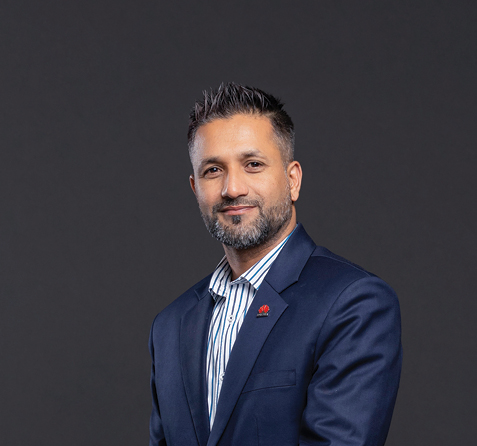
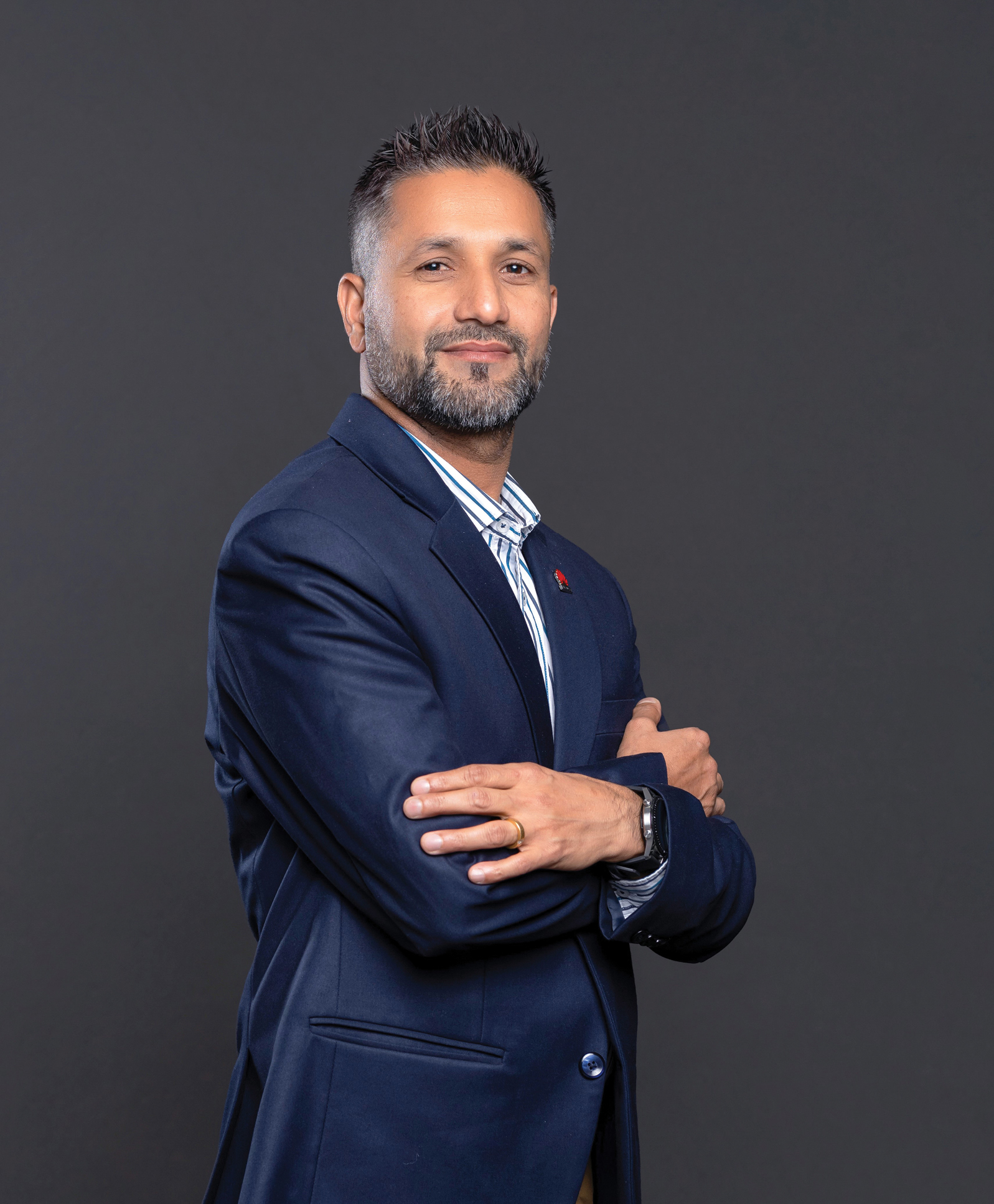
 Manoj Poudyal is a seasoned human resource professional currently serving as the Head of Human Resources at Huawei Technologies Nepal. He brings a wealth of experience to the domain of Human Resource Management, particularly in crafting HR policies and strategies, talent development and management, and fostering employee motivation within the framework of HR as a business partner. He has been with Huawei Technologies for nine years, starting in July 2017 as a Recruitment Manager, before advancing to Human Resource Manager in January 2022. He has been leading the HR department at Huawei Technologies Nepal since July 2025. The HRM Nepal caught up with Poudyal to explore the various dimensions of human resource management. Excerpts from the interview are given below.
Q: Human Resource Management is often regarded as the backbone of organisational success. What are the fundamental strengths the companies or organisation hold with introducing HR practices?
A: The core value proposition of HR in an organisation is to drive business success by enhancing human capital competitiveness. HR practices are not ends in themselves but rather means to ensure that the organisation possesses the right talent, at the right time, in the right quantity, and with high efficiency. These practices ensure that talent management is fully aligned with the company’s vision, mission, values, and business strategy. Through the ‘Select, Use, Retain, Develop, Manage’ talent lifecycle framework, organisations can maintain a continuous supply of qualified talent that meets strategic needs. Placing the right people in the right positions achieves optimal performance results, while proactively planning for future talent quantity, quality, and structure effectively closes talent gaps.
Modern HR practices leverage digitalisation to automate traditional manual tasks, significantly reducing processing time and increasing accuracy. This shift allows HR professionals to focus on strategic initiatives rather than administrative routines.
Furthermore, HR practices help build a professional, efficient organisation that is both customer-centric and results-oriented. By managing the Employee Value Proposition (EVP) and fostering a culture of accountability, an organisation can maintain a consistent yet differentiated employer brand globally. HR acts as a change advocate, ensuring the organisational structure remains flexible enough to meet evolving business needs. Concurrently, clear performance management processes based on contribution and results activate the organisation and reinforce a performance-oriented culture.
Effective HR practices also balance the interests of different stakeholders, including management and employees. HR professionals act as conflict mediators and trusted partners, ensuring that policies support long-term development and value creation.
At Huawei, the strength of HR practices lies in the ability to translate strategic intent into organisational capability, ensuring that human resources are managed as strategic assets that directly contribute to business success.
Q: Talent acquisition has become increasingly complex and competitive. In your view, what makes recruitment effective, and what are the major challenges in attracting and retaining top talent?
A: Recruitment effectiveness in today’s competitive landscape hinges on strategic alignment with business goals, proactive talent sourcing, and robust employer branding. For Huawei in Nepal, attracting and retaining top talent requires addressing both country-specific and regional challenges while simultaneously leveraging localied strategies.
Key Drivers of Effective Recruitment:
- Strategic Talent Mapping: Aligning talent acquisition with business priorities ensures that critical roles, particularly in high-demand fields like ICT, are filled with candidates possessing the exact skills and experience needed. Huawei emphasises identifying the right talent over simply the top talent, prioritising individuals with proven capabilities to contribute immediately.
- Diverse Sourcing Channels: Combining traditional recruitment with innovative approaches builds a highly adaptable workforce. By blending internal mobility with targeted external resources and fresh graduate recruitment, the company ensures consistent access to a vast, diverse, and dynamic talent pool.
- Employer Branding: Huawei positions itself as a leader in ICT innovation and career development, leveraging initiatives like ‘Seeds for the Future’ and Local Talent Incubation Programmes to build a reputation as a preferred employer. It further enhances its appeal by offering opportunities for diversified growth.
Major Challenges in Attracting and Retaining Top Talent:
- Talent Shortage: Nepal faces a significant gap in skilled ICT professionals, with regional projections indicating a major shortfall in the coming years. This scarcity intensifies competition for top talent.
- Global Talent Mobility: High turnover in the tech sector, driven by opportunities in global markets, demands continuous investment in employee engagement, clear career growth pathways, and competitive compensation.
- Cultural and Structural Fit: Some professionals struggle to adapt to the organisational work culture and environment, creating a structural mismatch when employees cannot keep up with the fast pace of the organisation.
- In Nepal, effective recruitment demands a blend of strategic foresight, local market adaptability, and a strong Employee Value Proposition (EVP). Huawei’s focus on nurturing local talent, fostering inclusive growth, and reinforcing its brand as a technology pioneer provides a blueprint for competing in a talent-scarce environment. By prioritising long-term relationship-building over transactional hiring, Huawei not only attracts top talent but also ensures their sustained contribution to business success.
Q: How frequently should companies or organisations conduct skill-gap assessments or capacity needs analyses, and how are these findings translated into employee training and development programmes?
A: I believe the frequency of skill-gap assessments should be flexible, combining annual strategic reviews with continuous, data-driven micro-assessments. Translating these findings into training and development programmes requires a personalised, blended, and career-integrated approach. By leveraging technology and data, organisations can ensure that their workforce remains agile, skilled, and aligned with future business needs, thereby sustaining long-term success in a dynamic global landscape.
In an era defined by rapid technological change and evolving market dynamics, the ability of an organisation to align its workforce capabilities with strategic goals is a critical competitive advantage. Central to this alignment are two processes: skill-gap assessments and capacity needs analyses. For organisations aiming to maintain agility and resilience, understanding the optimal frequency of these assessments and the mechanisms for translating findings into actionable development plans is essential.
Q: How frequently should Assessments be conducted?
A: There is no one-size-fits-all frequency for skill-gap assessments, as it largely depends on an industry’s volatility, the pace of technological adoption, and the organisation’s strategic horizon. However, best practices within fast-moving sectors like the ICT industry could include: 1) Annual Strategic Reviews to analyse organisation-wide skill gaps, where this macro-level view helps identify structural deficiencies. 2) Continuous Micro-Assessments, where continuous feedback loops or quarterly assessments would be more appropriate.
Q: How to Translate Findings into Training and Development Programmes?
A: Identifying gaps is only the first step; the true value lies in translating these insights into effective employee training and development programmes. This translation process involves several key stages:
- Prioritisation: Organisations should prioritise gaps based on business impact and urgency by identifying critical areas where training is most needed, ensuring that resources are allocated to high-impact skill deficits rather than being spread thinly across all areas.
- Personalised Learning Paths: By integrating learning management systems (LMS), organisations can create personalised learning journeys for each employee. These systems track individual progress, recommend specific courses, and adjust content difficulty based on real-time data. This personalised approach ensures that training is relevant and engaging, leading to better knowledge retention and application.
- Blended Learning Models: Combining various training modalities ensures effectiveness, utilising self-learning (online/offline materials), workshops, mentoring, on-the-job training, and specialised overseas training. Blended learning caters to diverse learning preferences and reinforces skills through multiple touchpoints.
- Integration with Career Development: Organisations can use assessment results to guide employees toward potential career paths, suggesting roles that align with their emerging skills. This not only addresses immediate gaps but also enhances employee engagement and retention by providing clear growth opportunities.
- Continuous Feedback: After implementing training programmes, organisations must measure their effectiveness through performance metrics and feedback. This data informs future assessments and training designs, creating a continuous improvement cycle.
I believe every organisation should conduct skill-gap assessments on a regular basis to ensure the right and required capability tools are provided to the respective employees, which ultimately helps yield better output and results. Huawei conducts skill-gap assessments and capacity needs analyses regularly, with adjustments based on business changes or strategic priorities. These assessments are integrated into the company’s capability improvement planning, which is designed to guide employees’ development to match position requirements and output expectations.
Q: Employee engagement and workplace culture have become critical factors in productivity. How should companies/organisations nurture its workplace culture, and what gaps do you commonly observe in organisations trying to create an enabling work environment?
A: In today’s volatile business landscape, employee engagement and workplace culture are no longer just HR metrics. They are critical drivers of productivity and innovation. While many organisations struggle to bridge the gap between policy and practice, Huawei offers a compelling case study in how a deeply rooted, values-driven culture can attract top talent and sustain high performance. By moving beyond superficial engagement tactics, Huawei demonstrates how to build an enabling environment where strivers thrive.
- Nurturing Culture Through Core Values: Huawei’s culture is defined by its core values. This framework creates a sense of purpose and belonging that transcends traditional employment relationships.
- Lead by Example: Culture starts from the top. Leaders must model the behaviours they wish to see. When leaders demonstrate authentic behaviour, they create a consistent and positive work environment that encourages similar behaviours across the organisation.
- Empowering Strivers Through Shared Success: Huawei’s striver-oriented philosophy ensures that those who contribute most are recognised and rewarded. This is institutionalised through its employee stock ownership plan, which allows the majority of the contribution to be shared among employees, including grassroots staff. Furthermore, Huawei celebrates achievements through various structured recognition programmes which highlight individual and team successes, reinforcing a culture of appreciation and high performance.
- Building Trust Through ‘Win-Win’ Collaboration: This principle encourages cross-functional collaboration. Employees know that support is available when challenges arise, reducing silos and fostering a resilient, united front. This is reinforced by leadership behaviours that prioritise empathy and support, ensuring that managers act as mentors rather than just evaluators. Huawei recognises that sustainable productivity requires healthy employees. The company has implemented comprehensive health and well-being initiatives. By addressing employees’ physical and mental health through various activities, Huawei demonstrates a genuine commitment to employee welfare, which in turn boosts retention and engagement.
In its global operations, Huawei actively nurtures local talent through programmes like the ‘Local Ambassador’ programme, which empowers employees to become cultural ambassadors and mentors. By integrating local employees into leadership pipelines and providing tailored development programmes for senior local managers, Huawei creates an inclusive environment where diverse backgrounds are valued and connected.
Despite best intentions, many organisations fail to create truly enabling environments. The gaps might not be the same for all organisations, but what I would like to highlight here is that if an organisation properly identifies the root causes and takes quick initiative to address them structurally, it can ultimately optimise the issues related to employee engagement and workplace culture. Huawei’s approach is more structural. It links engagement to clear career paths, mentorship programmes, and transparent feedback mechanisms. Huawei’s focus on local talent development and ambassador programmes ensures that inclusivity is practiced, not just preached. Nurturing workplace culture requires more than slogans. It demands a consistent, values-driven approach that empowers employees and prioritises their well-being.
Huawei’s success lies in its ability to align its culture with its business strategy, creating an environment where strivers are recognised, supported, and rewarded. For organisations seeking to attract and retain top talent, the lesson is clear: build a culture of trust, shared success, and genuine care, and productivity will follow.
Q: How do you think an organisation should ensure equal access to development opportunities for employees across different functions and roles?
A: To ensure equal access to development opportunities across different functions and roles, organisations must move beyond traditional hierarchical structures to create fluid, merit-based, and transparent ecosystems. Below is an overview of general best practices, followed by Huawei’s specific, publicly verifiable mechanisms that serve as a strong value proposition for talent attraction.
General best practices for equal access to development opportunities could be defined as establishing clear, role-specific competencies rather than relying on subjective, tenure-based promotions. Transparent internal mobility provides equal access to all employees, allowing everyone to apply for roles across departments without any barriers. Providing equal access for all to common learning resources and platforms, regardless of position, domain, or function, is also key. Organisations can prioritise internal mobility and initiate talent transfers to match skills with business needs, ensuring that talented individuals are not confined to a single domain, thereby allowing employees to explore new opportunities within the organisation that offer comprehensive career development.
Huawei ensures equal access to development through a combination of dual-career paths, internal mobility mechanisms, and exposure to multiple domains. Huawei offers two distinct career paths for all employees: the Manager Path and the Expert Path. Both paths are valued equally, allowing employees to choose based on their strengths, whether leading teams or deepening technical expertise. Employees can switch between these paths as their career interests evolve, ensuring that non-managerial roles are not seen as dead ends but as viable, high-growth tracks.
Huawei’s commitment to equal access is demonstrated through its structured flexibility (dual paths), active mobility (internal markets), and global inclusivity. By removing barriers to movement and providing equal access to world-class learning resources, Huawei ensures that every employee, regardless of their starting function or role, has a clear and equitable path to growth. This approach not only retains top talent but also attracts individuals seeking dynamic, boundary-less career opportunities within a global tech leader.
Q: It is widely said that organisation culture and environment play an important role in talent development. What metrics demonstrate that workplace culture actively encourages talent development in your organisation?
A: At Huawei, our organisational culture is not just a set of values but is reflected in measurable outcomes that prove we invest in our people. We track the percentage of key and important positions held by local employees. This metric demonstrates our commitment to local talent bearing local responsibilities, ensuring local employees have equal access to critical roles and leadership opportunities, rather than relying solely on expatriates.
- Internal Mobility: The number of open positions filled by internal candidates. A high rate indicates a culture that prioritises internal growth and provides clear career paths.
- Promotion Cycle Time: The speed at which high-performing local employees are promoted. Faster promotion cycles for top talent signal a meritocratic culture where contribution is recognised and rewarded promptly.
- Future Leader Programme Participation: The number of local employees enrolled in our ‘Future Leader’ programmes reflects the organisation’s investment in long-term leadership pipelines.
- Mentorship Ratio: Tracking the ratio of senior leaders mentoring junior employees ensures knowledge transfer and cultural integration are systematic, not accidental.
- Learning Tracker: The completion rate of personalised learning plans for local staff.
- Global Certification Pass Rates: High numbers of employees passing Huawei certifications (HCIA/HCIP/HCIE) demonstrate a ‘learning organisation’ culture where skills are continuously updated and validated globally.
- Voluntary Turnover Rate: Low turnover among high performers indicates that the culture successfully retains those who drive results.
- New Graduate Retention Rate: High retention of recent hires shows that the onboarding and early-career development experience is effective and engaging.
At Huawei, we believe that these metrics translate into a powerful value proposition for potential candidates:
- Clear Dual-Channel Career Paths: We offer parallel tracks for management and technical/professional expertise. Candidates are attracted by the assurance that they can grow as experts without being forced into management, reducing career-ceiling anxiety.
- Global Platform with Local Impact & Cross-Country Opportunities: Our internal mobility system allows employees to involve themselves in cross-country project support and gain international experience. By emphasising local talent bearing local responsibilities, we attract candidates who want to make a tangible impact in their own community and the country while being part of a global tech leader.
- Investment in Continuous Growth: The structured learning plans signal to candidates that Huawei is not just an employer but a partner in their lifelong career development. At Huawei, we provide different capability improvement tools (training, certifications, on-the-job practice, etc.) to keep their skills and knowledge advanced and ready to cope with rapidly changing CT developments.
- Transparent Culture: Candidates are attracted by the fairness and transparency of a system where performance directly leads to opportunities and growth, regardless of any other factors, a truly contribution-based culture.
- Social Responsibility and Prestige: Our ‘Seeds for the Future’, ‘Fresh Graduate Recruitment Programme’, and our ‘24/7 Network Assurance’ commitment to deliver in ‘anywhere, anytime, and any situation’ enhance our brand as a responsible corporate citizen. This attracts talent who value working for a company that contributes to the nation and national digital transformation.
At Huawei, we don’t just hire talent; we grow it. Our culture is proven by our metrics: high local talent bearing rates, rapid merit-based promotions, and extensive global certification opportunities. We offer a dual-channel career path, global mobility, and a meritocratic environment where your contribution determines your growth. Join us to build your career on a global platform while making a local impact.
Q: A common question that enters the mind of every talent before joining an organisation concerns the career path. What structural framework does your organisation utilise to ensure that career pathways and skill-development opportunities are equitably distributed, transparently communicated, and directly aligned with long-term retention goals?
A: To address the critical question of career paths and skill development, Huawei utilises a robust Professional Qualification System supported by a Dual-Channel Career Framework. This structure ensures equity, transparency, and alignment with long-term retention by focusing on capability rather than just tenure. Here is how our framework works to attract and retain top talent:
- Structural Framework: The Dual-Channel Career Path: We offer two parallel career tracks, ensuring that technical experts are valued equally to managers.
- Management Track: For those who wish to lead teams and organisations. Professional/Technical Track: For those who prefer to deepen their expertise. This track allows employees to reach high ranks and compensation levels without being forced into management roles, ensuring that technical specialists remain in their area of passion and strength.
- Equity and Transparency: The ‘KSA’ Competency Model: Our qualification standards are built on a transparent, objective framework known as ‘KSA’ (Knowledge, Skills, Abilities) plus professional feedback, which ensures equity: standards are developed to address actual business needs and global benchmarks, ensuring that the requirements for promotion are clear, consistent, and fair across all regions, while maintaining clear benchmarks. Employees know exactly what is expected at each level, removing ambiguity from the promotion process.
- Skill Development: Integrated Learning & Certification: We do not just evaluate; we actively develop talent through a closed-loop system. The necessary training resources are provided to help employees meet the standards. Employees must pass knowledge/skill exams and capability assessments to advance. This ensures that promotions are based on proven competence, not just time served. Standards are reviewed and updated regularly to reflect new business technologies and market demands, ensuring your skills remain relevant and valuable. Qualification is a necessary condition for job advancement. This ensures that individuals are placed in roles they are fully qualified for, reducing frustration and increasing job satisfaction and retention.
At Huawei, a career path is not a single ladder but a dual-track highway. We provide a transparent ‘KSA’ competency framework that clearly defines what it takes to succeed. Whether you choose to lead people or deepen your technical expertise, you have a clear, merit-based path to growth. We invest in your development through structured learning and certification, and our global standards ensure that your skills are recognised and valued anywhere in the world. Join us to build a career defined by your capability, not just your title. This framework ensures that every employee has a fair, clear, and challenging path to grow, which is fundamental to our ability to attract and retain world-class talent.
Q: In specialised and technology-driven institutions, how can HR professionals strike a balance between employee motivation, promotion, and rewards based on performance?
A: To address balancing employee motivation, promotion, and rewards in a technology-driven organisation, and to project the future of HR, here are some structured insights based on current industry shifts.
- lBalancing Motivation, Promotion, and Rewards in Technology-Driven Organisations: Huawei’s approach is anchored in the core value of ‘Taking Strivers as the Foundation’. The balance is achieved not by equalising outcomes, but by aligning Value Creation, Value Evaluation, and Value Distribution in a closed loop.
lValue-Driven Distribution: Value creation recognises that employees, knowledge, entrepreneurship, and capital all create value. In tech organisations, knowledge and entrepreneurship (innovation) are heavily weighted. Value evaluation uses objective, transparent criteria to assess contributions. This ensures that promotions and rewards are based on capability and results, not tenure or other factors. Value distribution implements a dual-track system. - Strategies for Balance include Timely Recognition: Huawei emphasises timely incentives for specific contributions, such as solving critical technical bottlenecks, which keeps motivation high in fast-paced tech environments.
- Non-Material Motivation: Spiritual incentives such as public recognition, career development opportunities, and a culture of shared victory (celebrating wins together) are promoted, building emotional commitment and retention.
- Dual Career Paths: This ensures that technical experts can reach high levels of compensation and status without moving into management, preventing the loss of top technical talent.
Looking ahead, the future of HR in technology-led organisations like Huawei is defined by the shift from administrative processing to strategic system design and human-AI collaboration. - From Process Executor to AI-Human Collaborator: HR will increasingly use AI for routine tasks (resume screening, payroll, basic queries), freeing HR professionals to focus on strategic partnership and employee experience. HR will leverage predictive analytics for talent retention, skills gap analysis, and workforce planning, moving from reactive to proactive management.
- Systemic HR: As highlighted in recent industry reports, HR is evolving into a system-level function that integrates with business operations, rather than remaining a siloed administrative department. HR will design organisational structures that are agile and capable of rapid adaptation to market changes.
- Skills-Centric Organisation: The focus will shift from jobs to skills. HR will manage a dynamic skills inventory, enabling internal mobility and rapid reskilling/upskilling to meet emerging tech demands.
- Human-Centric Technology: Ethical AI and Fairness: As AI plays a larger role in hiring and performance evaluation, HR will act as the guardian of fairness and ethics, ensuring algorithms are unbiased and transparent. Employee Well-being and Experience: In high-pressure tech environments, HR will prioritise mental health, work-life harmony, and an inclusive culture as key drivers of productivity and innovation.
- Insights for Huawei Employer Branding (Talent Attraction): To attract top tech talent, Huawei can position itself as an organisation that offers:
- Meritocratic Growth: Your effort and innovation are directly rewarded. We have a transparent, dual-track career path where technical excellence is valued as much as leadership.
- Future-Ready Workplace: Work with us in an environment where AI augments your capabilities, rather than replacing them. We invest in your continuous learning and skills development, preparing you for the future of work.
- Purpose-Driven Culture: Join a community of ‘Strivers’ where we share in the success of our customers and each other. We balance high performance with a supportive, inclusive culture that values your well-being.
This narrative highlights Huawei’s unique blend of rigorous performance management, equitable reward systems, and forward-looking, human-centric HR practices.
Q: It is said that the success of HR in organisations depends on scientific job analysis that defines Key Result Areas specifically and clearly, through which performance can be measured properly. Do you agree?
A: I agree with the premise that scientific job analysis and clearly defined Key Result Areas (KRAs) are foundational to effective HR management and performance measurement. In Huawei’s context, this is operationalised through ‘Qualification Standards’ and ‘Competency Models’, which decode job responsibilities into measurable capabilities and contributions. The success of HR and performance management is deeply rooted in clear role definitions and scientific goal setting, which aligns with the concept of defining Key Result Areas (KRAs).
Clear Role Definition & PBC (Personal Business Commitment): Firstly, this translates organisational goals into individual responsibilities. PBC objectives must reflect job responsibilities and role requirements, highlighting core duties and main tasks. This ensures that every employee understands their specific ‘Key Result Areas’ clearly.
lSMART Principles for Measurable Results: Goals are defined using the SMART criteria (Specific, Measurable, Aligned, Realistic, Time-constrained). This scientific approach ensures that KRAs are not vague but are concrete, measurable, and aligned with overall business objectives, enabling accurate performance measurement.
Fact-Based Evaluation: Performance evaluation is based on results and facts. By clearly defining what success looks like in each role (KRA), managers can objectively evaluate whether employees have delivered value, contributing to customer success and team goals.
Continuous Coaching & Alignment: Providing regular coaching ensures employees stay aligned with their KRAs. This includes reviews and feedback on goal progress, helping employees adjust their efforts to meet defined standards.
Q: How does Huawei Nepal view the relationship between its business success and the development of local ICT talent? Why is investing in local human capital considered a core part of the company’s strategy in Nepal?
A: Huawei’s growth is tied to Nepal’s digital transformation. By training local talent, Huawei is building a sustainable ecosystem that supports the national digital economy, creating long-term career stability and growth opportunities for Nepali professionals. Huawei Nepal views the development of local ICT talent not merely as a corporate social responsibility, but as a strategic imperative that is intrinsically linked to its long-term business success. The relationship is symbiotic: sustainable business growth in Nepal depends on a robust local talent ecosystem, while Huawei’s presence and investments provide the platform for Nepali professionals to acquire world-class skills and career opportunities.
lSustainable Local Operations & Cultural Alignment: Huawei Nepal operates on the principle of ‘Glocalisation’. A high percentage of our workforce consists of local employees who understand the market, culture, and customer needs deeply. Investing in local human capital ensures that our teams are not only technically proficient but also culturally aligned, enabling us to deliver services that truly resonate with Nepali customers and partners. This local expertise is critical for maintaining operational excellence and customer trust.
- Bridging the ICT Talent Gap for National Digital Transformation: Nepal is undergoing rapid digital transformation, creating a significant demand for skilled ICT professionals. Huawei addresses this gap through initiatives like the Huawei ICT Academy and the Seeds for the Future scholarship programme. By collaborating with local universities and educational institutions, we help shape curricula that align with industry standards, ensuring that graduates are job-ready. This investment supports Nepal’s national digital strategy while securing a steady pipeline of high-quality talent for Huawei and the broader industry.
- Creating a Shared Value Ecosystem: Huawei believes in growing with the country. By investing in local human capital, we create a ripple effect: skilled employees contribute to the national economy, drive entrepreneurship, and uplift their communities. This shared value approach strengthens our social licence to operate and builds a loyal, motivated workforce that is proud to be part of Huawei’s mission to bring digital benefits to all Nepali people.
At Huawei Nepal, we don’t just build networks; we build people. Through initiatives like the ICT Academy and Seeds for the Future, we are empowering Nepali youth with the skills, global vision, and innovative mindset needed to lead the digital future. Join us, and let’s grow together.
Q: In particular, as an HR professional, how do you define Key Result Areas (KRAs) for positions with cross-functional responsibilities?
A: Defining Key Result Areas (KRAs) for cross-functional positions at Huawei requires moving beyond traditional siloed job descriptions to a process-oriented and results-based approach. Based on Huawei’s internal management practices, here is how we define and manage KRAs for such roles:
Define Responsibility Based on ‘End-to-End’ Process Roles, Not Just Departmental Titles: For cross-functional roles, the KRA must be anchored in the end-to-end business process rather than just the functional department.
- Clarify the Role in the Process: The first step is to answer, “Who am I?” and “What is my role in the organisational position and process?” For cross-functional roles, this means identifying the specific node in the value stream where the employee adds unique value.
- Focus on ‘Responsibility Results’: Huawei defines performance as the effective output and results in fulfilling job responsibilities, measured by contribution and value creation. Therefore, KRAs for cross-functional roles should focus on the outcome of collaboration rather than just the activity.
Adopt a Matrix Management & Joint Goal-Setting Approach:
- Multi-Manager Communication: During goal setting, the direct supervisor, matrix supervisor, or project manager should jointly communicate with the employee to clarify responsibilities and expectations. This ensures that KRAs reflect both functional excellence and project/business delivery needs.
- Consensus on Goals: The employee drafts goals based on organisational objectives and their specific cross-functional duties, then reaches a consensus with all relevant supervisors. This prevents conflicting KRAs and ensures alignment with both the functional team and the business/project team.
Structure KRAs Around Three Key Dimensions: Huawei’s performance guidelines emphasise focusing on three specific areas when defining results, which is particularly useful for cross-functional roles:
Ensure SMART and Result-Oriented Indicators; Focus on Outcomes, Not Just Tasks: KRAs should be results-oriented (like OKRs) rather than just behavioural or task-list items.
Limit the Number of KRAs: Focus on 3-5 key business objectives to avoid diluting effort across too many cross-functional activities. Apply SMART Principles to ensure each KRA is Specific, Measurable, Achievable, Relevant, and Time-bound.
- Continuous Feedback and Adjustment: Cross-functional environments are dynamic. Therefore, KRAs are not static.
- Real-time Interaction: Employees and supervisors (including matrix/project managers) should provide real-time feedback on goal progress.
- Refresh Goals if Needed: If job responsibilities or business contexts change, goals should be refreshed and aligned promptly via the performance management system.
This approach ensures that cross-functional employees are evaluated fairly on their actual impact and collaboration, rather than just their adherence to a single department’s routine tasks.
Q: Over the years, HRM has undergone significant transformation. In your view, how are AI, data analytics, and automation reshaping people management?
A: The integration of AI, data analytics, and automation is fundamentally reshaping Human Resource Management (HRM) by shifting the focus from administrative efficiency to strategic organisational architecture. Based on current industry trends and Huawei’s internal practices, here is how this transformation is unfolding:
The industry is moving through distinct maturity stages. Initially, AI served as a personal productivity tool, then it was embedded into standardised processes like recruitment and employee services, and now in 2026, the core shift is toward organisational reconstruction, where AI influences the division of labour, responsibility allocation, and governance systems. HR is no longer just a user of tools but a ‘Human-Machine Collaboration Architect’. The role evolves from executing transactions to designing workflows where humans and AI co-create value.
- Key Transformation Areas: Talent Acquisition & Recruitment, Employee Experience & Service Delivery, Data-Driven Strategic Decision Making, and Performance & Talent Management. AI handles high-volume tasks such as resume parsing, JD generation, and interview minute summarisation. While AI filters candidates, final hiring decisions remain human-centric to ensure fairness and cultural fit. Predictive analytics are used to forecast candidate performance and optimise hiring pipelines. Self-Service Empowerment platforms guide HRBPs and employees through processes with real-time data dashboards and metric dictionaries, reducing the learning curve for new HR staff. HR analytics is shifting from static reporting to predictive insights, such as turnover risk prediction, labour cost forecasting, and talent supply planning. AI helps map skill graphs rather than just job titles, enabling personalised learning paths and identifying skill gaps across the workforce. AI facilitates real-time feedback loops and sentiment analysis to monitor workplace morale. In areas like performance evaluation and promotion, AI serves only as an informational aid.
Looking toward the future, the trend points toward multi-agent collaboration and a human-machine symbiotic organisational form. HR leaders must act as lighthouses, leading by example in reimagining their own functions while architecting AI transformation for the broader business. We, HR professionals, need to enhance our data analysis capabilities significantly to avoid losing decision-making authority.
- HR Professionals should adopt AI for Efficiency: Use AI for routine tasks (recruitment screening, Q&A, reporting) to free up time for strategic work. Retain human control over ethical, complex, and high-stakes decisions (hiring, promotions). Leverage Data for Insight and move beyond descriptive analytics to predictive modeling for talent retention and workforce planning. Design for Collaboration by redesigning jobs and processes to optimise the partnership between human creativity/empathy and AI speed/scale.
This transformation requires HR to be agile, data-literate, and ethically grounded, ensuring that technology serves both business goals and employee well-being.
Q: Finally, what key message or insight would you like to share with our readers regarding Huawei Nepal’s initiatives, prospects, and contributions toward local talent development?
A: Empowering Nepal’s Digital Future Through Local Talent Development: Huawei Nepal is committed to building a sustainable, inclusive, and high-quality ICT talent ecosystem that empowers local professionals and drives the nation’s digital transformation. Our approach is grounded in openness, collaboration, and shared success, ensuring that every Nepali professional has equal access to world-class learning, career growth, and opportunities.
Inspiring the Next Generation: For the fourth consecutive year, Huawei Nepal has launched the ‘Seeds for the Future’ programme, a flagship initiative designed to nurture young innovators. By offering scholarships, technical training, and mentorship, we empower Nepali students to explore their potential in ICT. This programme has become a beacon for youth, fostering a culture of innovation and providing a clear pathway from academic excellence to professional achievement. Our fresh graduate recruitment programme opens doors for all excellent ICT graduates who are passionate about learning and developing a career in a fast-growing industry. The company ensures it consistently accesses a vast, diverse, and underutilised talent pool.
At Huawei Nepal, we believe in meritocracy and mobility. We offer a dual-career path (Management and Expert) and encourage internal mobility, allowing employees to grow across functions and geographies. Our local talent development framework includes structured ‘Learn-Train-Fight-Test’ programmes, where high-potential local employees are given challenging responsibilities, mentorship, and clear development plans. This ensures that Nepali professionals can rise to leadership roles, contributing to both local and global Huawei operations.
Commitment to Social Responsibility and Inclusion: We are dedicated to closing the digital divide by promoting digital literacy as a basic human right. Huawei Nepal is actively shifting from the natural growth of local talent to systematic cultivation. By investing in local talent, we are not just building a workforce, we are building a community of digital leaders who will shape Nepal’s future.
Huawei Nepal offers more than a job. It offers a career without boundaries. Joining us means being part of a dynamic ecosystem where your skills are valued, your growth is supported, and your contributions make a tangible impact on Nepal’s digital journey. Together, let’s build a smarter, more connected future. This approach ensures that Huawei’s growth in Nepal is deeply rooted in local talent, driving mutual success for the company, our partners, and the nation.

