The Himalaya Futures

In November 2025, a colleague from Switzerland: once my fellow doctoral research reached out to me with a concern. His father, along with other Swiss travellers, was planning a visit to Nepal and wanted to know whether the timing was suitable given the social unrest of September 2025. I reassured him that Nepal remained peaceful, safe, and welcoming, with daily life continuing undisturbed. Encouraged, they arrived and spent more than a week exploring Kathmandu, and visited destinations beyond the capital, including Chitwan, Pokhara, and Dolakha. In conversations with my colleague’s father, it became clear that Swiss visitors, like many Western travellers, hold a deep fondness for Nepal drawn by its majestic mountains, landscapes, cultural heritage, and ancient cities of the Kathmandu Valley. Yet, they also observed that Nepal’s tourism infrastructure, cleanliness, and connectivity still require significant upgrades to meet the evolving expectations of modern travellers. This experience underscores both Nepal’s enduring appeal and the urgent need to align its tourism facilities with international standards.
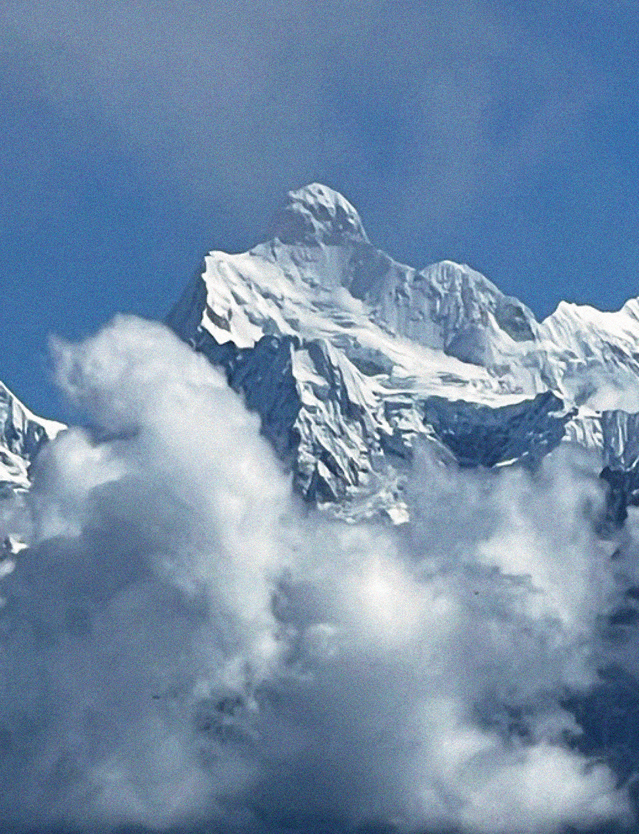
Samriddha Pahad, a pioneering social enterprise, has long recognised the developmental gaps in Nepal’s mountain regions. For more than a decade, it has supported access to finance, enabling mountain communities particularly along the Kangchenjunga Corridor from Ilam to Taplejung to strengthen their livelihoods and build alternative mountain economies. More recently, the organisation has advanced inclusive destination development in Kangchenjunga, aiming to attract high‑value tourism to an area where livelihood opportunities remain limited. Unlike Everest or Annapurna, Kangchenjunga is still less explored, yet it holds immense promise. Samriddha Pahad is working to upgrade hospitality service standards, trail upgradation, and tourism products to meet the expectations of international travellers, including Western visitors who consistently highlight Nepal’s need for improved infrastructure, cleanliness, and connectivity. Supporting the capacity development of local institutions, including both governmental and non-governmental entities as well as hospitality stakeholders, serves as a core theme to advance tourism opportunities across the Kangchenjunga region. The Kangchenjunga region offers far more than mountaineering expeditions: it provides travellers with exotic life experiences rooted in pristine biodiversity, fragile mountain ecosystems, rich cultural heritage, and rare wildlife such as the red panda and snow leopard; etc. Harnessing this potential requires deliberate investment and policy support, but the rewards could position Kangchenjunga as Nepal’s next frontier for sustainable, high‑value tourism.
Historical Outlook
Nepal’s tourism path is deeply intertwined with its political economy and global transformations. In the early phase (1950-65), Nepal attracted wealthy Western elites who sought exclusive Himalayan experiences, marking the country’s entry into international tourism. By the late 1960s-1970s, the demographic shifted dramatically to young countercultural travellers like hippies and backpackers who arrived overland, rich in time but poor in money, embedding Nepal in the global youth travel circuit. From the 1970s onward, the Nepali state deliberately promoted adventure tourism, capitalising on mountaineering successes like the 1950s, Kangchenjunga, Annapurna ascent and Everest expeditions, while the 1972 Tourism Master Plan and subsequent Tourism Act of 1978 institutionalised trekking, wildlife, and heritage tourism as national priorities. The Nepal Tourism Board Act of 1997 further professionalised marketing through a public-private model, while the Tourism Policy 2065 (2008/09) mainstreamed sustainability, gender inclusion, and community‑based tourism. Despite setbacks such as the 2015 earthquake, COVID-19, Russia-Ukraine crisis and Arab crises, Nepal’s tourism governance matured, culminating in the Tourism Policy 2082 (2025), which reframed Nepal as a ‘Unique Tourism Destination’ in the federal era. While looking at the historical path it demonstrates that Nepal’s tourism has never been static: it has continually adapted to political transitions, global shocks, technological change, and shifting visitor expectations, shaping a sector that remains central to the nation’s socio-economic, natural and cultural heritage.
Current Context
As the World Bank (2025) of Travel and Tourism Economic Impact Research projects that the direct contribution of travel and tourism to GDP will grow by 4.3% per annum, reaching NPR 206.6 billion (2.3% of GDP) between 2026 and 2036. In 2025, the sector directly supported 375,761 jobs (5% of total employment), including positions in hotels, travel agencies, airlines, passenger transport, restaurants, and leisure industries. By 2036, direct employment is expected to rise to 487,448 jobs (5.3% of total employment), reflecting an annual increase of 2.3% from 2026.
The broader employment footprint is even more significant: tourism contributed to 1.2 million jobs in 2025, underscoring its role as a cornerstone of Nepal’s labour market. Importantly, the sector demonstrates inclusivity: female employment accounts for 37.5% of direct tourism jobs, youth (ages 15-24) represent 21.9%, and high-wage positions comprise 21.2%. These figures highlight tourism’s capacity to empower women, engage young workers, and generate quality employment. Beyond its direct economic impact, tourism exerts substantial indirect and induced effects. Indirectly, it stimulates investment spending and purchases from suppliers and producers. Induced impacts include tourist expenditures on food and beverages, recreation, wellness, clothing, and souvenirs, which ripple across the wider economy. Collectively, these contributions make tourism and travel one of the most lucrative industries for any nation, combining economic growth with cultural exchange, knowledge transfer, and environmental stewardship. In Nepal’s case, tourism not only strengthens GDP and employment but also fosters civilisational dialogue, human well‑being, and ecological awareness, positioning the sector as a vital driver of sustainable national development.
Nepal’s visitor economy remains dominated by low‑spending travellers and diaspora tourism, which constrains its overall economic impact. While these flows sustain cultural ties and generate modest revenues, they do not provide the high‑value contributions needed to transform the sector. At the same time, Nepal’s tourism trajectory is deeply shaped by broader political and global shocks. The country’s ongoing federal restructuring and persistent policy fragmentation have complicated governance and coordination, while external crises including COVID‑19, the Russia-Ukraine war, escalating tensions among Israel, Iran, and the United States, and the accelerating impacts of climate change have exposed structural vulnerabilities. These disruptions affect not only Nepal but also the global tourism landscape, underscoring the urgent need for Nepal to build resilience, diversify its visitor base, and align its tourism economy with evolving international dynamics.
Key Challenges
The Kangchenjunga Conservation Area stands as one of Nepal’s most promising yet underdeveloped tourism frontiers. Despite its extraordinary natural and cultural heritage, the region continues to face serious challenges. Access remains difficult, with limited airports, poor road connectivity, and weak hospitality facilities that discourage international high value visitors. Institutional fragmentation further complicates progress, as overlapping mandates between federal, provincial, and local authorities dilute accountability and slow effective planning. Human capital deficits are equally pressing; service quality, language proficiency, and digital marketing skills remain weak, leaving the region less competitive in global markets. At the same time, fragile ecosystems are under pressure from unmanaged waste and the risks of overcrowding, threatening pristine biodiversity and long‑term sustainability.
Yet, these challenges also highlight the pathways for transformation. Diversifying Nepal’s tourism portfolio by promoting Kangchenjunga and Taplejung can reduce overcrowding in Everest and Annapurna while spreading economic benefits to underserved provinces. Prioritising high‑value tourism through luxury trekking lodges, boutique hotels, and wellness retreats will attract affluent travellers seeking exclusivity and cultural immersion. Institutionalising diaspora tourism by systematically recording arrivals and encouraging investment can strengthen community ownership and generate new opportunities. Digital transformation, through smart platforms for marketing, booking, and visitor analytics, will modernise destination management and enhance visitor experience. Finally, institutional reform: restructuring the Nepal Tourism Board, harmonising mandates across governance levels, and strengthening public-private partnerships will ensure coherent policy execution and sustainable growth. If these pathways are pursued with vision and commitment, Kangchenjunga can evolve from a lesser‑known trekking circuit into a globally recognised high‑value destination that Samriddha Pahad and Kangchenjunga Conservation Area Management Council have been working for together along with local government bodies. These efforts remain insufficient unless the federal government steps in to invest in closing the infrastructural gap. Its pristine biodiversity, fragile mountain ecosystems, rich cultural heritage, and rare wildlife, such as the red panda and snow leopard, offer experiences that go far beyond mountaineering. By aligning infrastructure, institutions, and community participation, Nepal can position Kangchenjunga as a model of sustainable tourism development: one that delivers prosperity to local communities while safeguarding its unique natural and cultural assets for generations to come.
New Opportunities
The mountain regions of Nepal including Kangchenjunga, Saipal, Khaptad, Kanjiroba, Jumla, Rara, etc. present a pivotal opportunity to reorient the nation’s tourism sector toward inclusive development. To generate meaningful economic impact, tourism development must look beyond raw visitor numbers and instead focus on socio-economic, natural and cultural empowerment. Community empowerment and social equity, branding and regional integration, and governance and policy reforms, etc., are critical to shape tourism economy. These are:
Community empowerment and social equity
- Gender Integration -> Expanding women’s leadership in homestays, artisanal handicrafts, and professional guiding diversifies household revenue while preserving cultural authenticity.
- Youth Retention -> Targeted vocational training in hospitality and adventure logistics prepares youth across districts like Taplejung to form the foundation of a modern service workforce.
- Locally Owned Models -> Community-Based Tourism (CBT) ensures that financial yields remain within host communities, directly supporting local development priorities. To sustain this model, local governments must make long-term public investments in building community capacity and strengthening essential micro-infrastructure. Potential local government priority areas to develop destinations.
– Skills and Certification -> Upgrading trekking guide training, standardising service quality, and formalising professional certification.
– Safety and Public Health -> Implementing rigorous safety protocols while expanding local water, sanitation, and hygiene (WASH) infrastructure.
– Cultural and Behavioural Advancement -> Fostering community-wide behavioural change to support hospitality and encouraging the production and service of authentic local foods.
– Partnerships -> Connecting local initiatives with private corporations to attract targeted Corporate Social Responsibility (CSR) funding and private-sector investment.
Rebranding and regional integration
Positioning these remote destinations globally requires a deliberate shift in Nepal’s marketing identity. By highlighting authenticity, ecological resilience, cultural heritage and low-density travel, Nepal can position regions like Kangchenjunga as pristine, inclusive alternatives to high-density corridors such as Everest and Annapurna. Furthermore, establishing cross-border tourism circuits with India, Bhutan, and China can stimulate visitor flows, promote economic spillover, and leverage shared cultural geography. Unlocking this economic potential requires addressing long-standing institutional bottlenecks like:
Nepal stands at a critical juncture in its tourism economy. While the country possesses foundational policy frameworks, the absence of coordinated state leadership and institutional commitment remains the primary barrier to long-term success and impacts. To build a resilient tourism sector, Nepal must transition from fragmented model to a high-value, community-centred approach. Expanding infrastructure, modernising digital services, service standardisation and empowering host communities are necessary steps, but they cannot succeed in isolation. Ultimately, realising the potential of emerging destinations like Kangchenjunga depends on decisive state leadership capable of executing governance reforms. Only through unified, accountable stewardship can Nepal safeguard its fragile Himalayan ecosystems while establishing itself as a global benchmark for sustainable mountain tourism.
(Neupane is a former Chairman of the Nepal Stock Exchange (NEPSE). He is currently serving as Research Fellow at Baya Himalaya, a policy research institution in Nepal)