
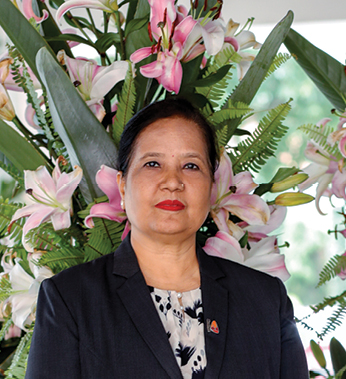
Sumati Shakya, Senior Director of Sales, The Soaltee Kathmandu/Autograph Collection
My professional journey began in the hospitality industry, where I had the opportunity to work across various hotel departments before specialising in sales and marketing. This diverse early exposure gave me a comprehensive understanding of customer service, operations, and teamwork, a foundation that has shaped my approach to leadership ever since.
When I started my career in the hospitality industry, the job market was very competitive. Opportunities were limited, and employers looked for more than just qualifications. They valued practical experience, a positive attitude, discipline, adaptability, and a willingness to learn. At that time, building a successful career required patience, hard work, commitment, and consistently proving yourself through your efforts.
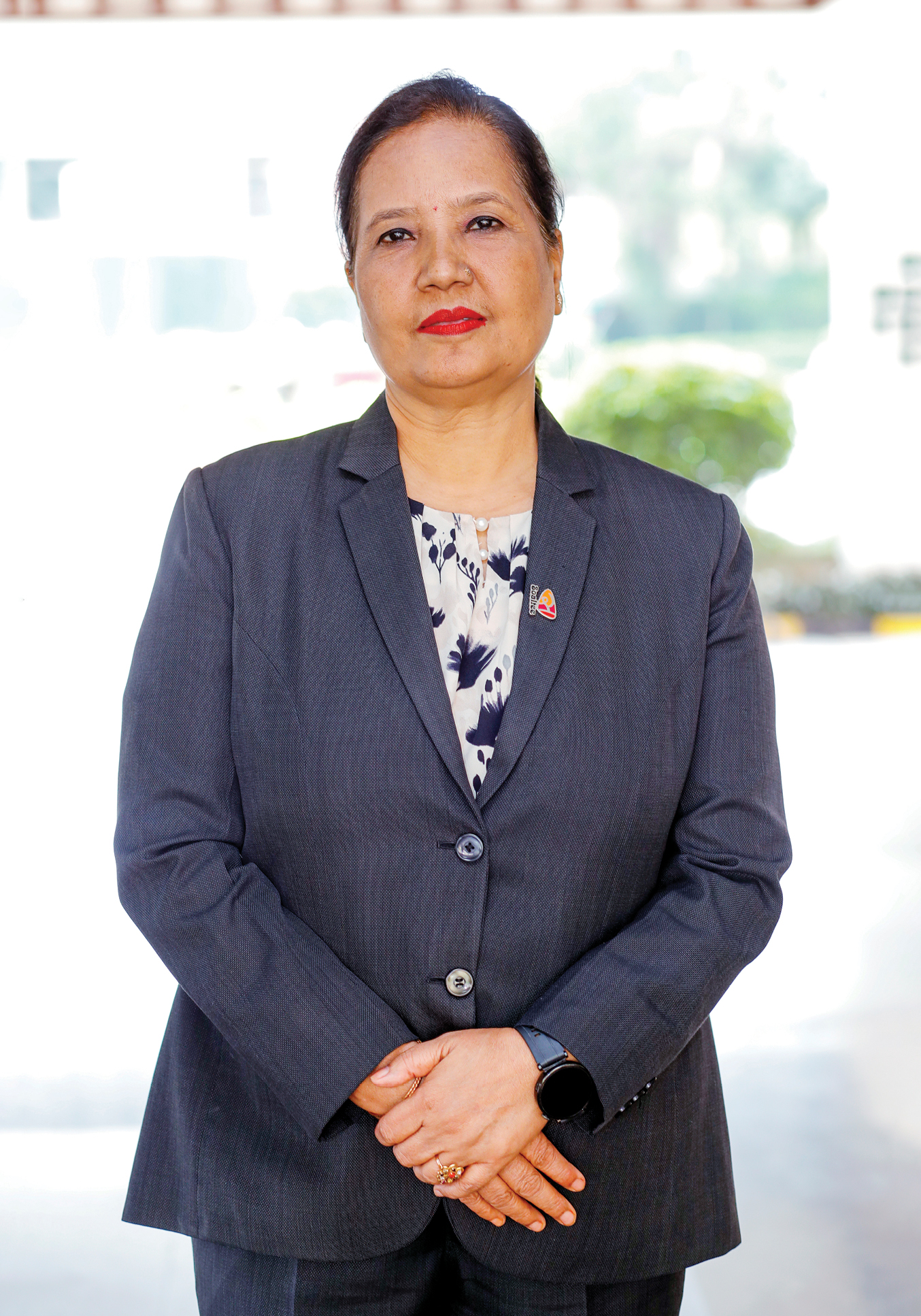 An accidental entry in hospitality sector
When I entered the hospitality sector, I didn’t know much about the industry because my educational background is in science. At first, it was a completely new field for me. However, I saw that the hospitality industry offered many opportunities to learn, grow, and build a career.
What attracted me most was the chance to interact with different people, develop my communication and customer service skills, and work in a dynamic environment in one of the pioneering hotel brands, ‘Soaltee Hotels & Resorts’. Although I came from a science background, I was willing to learn, adapt, and take on new challenges, which motivated me to pursue a career in hospitality.
Working at Soaltee, one of Nepal’s oldest and most respected hospitality brands, gave me the opportunity to grow with the company. I knew that being part of such a well-known brand meant I had to keep learning and improving myself. I spent time understanding the hotel’s standards, learning what guests expected, and always trying to provide the best service.
As I took on more responsibilities, I developed my leadership, communication, negotiation, sales, and revenue management skills through practical experience. I stayed flexible as the market and guest expectations changed. By working hard, taking responsibility, and always being willing to learn, I gradually became part of the leadership team and contributed to the hotel’s success. My career growth has grown alongside Soaltee’s journey.
Reflections, key milestones, achievements
Reflecting on my career, the most rewarding opportunities have been the chances to learn, grow, and take on new challenges. The trust, responsibilities, and relationships I have built over the years have been the most valuable parts of my journey. Growing from an entry-level position to senior director of sales has been a truly fulfilling experience. One of the most rewarding parts of my career has been contributing to the success of the hotel by helping achieve and exceed revenue targets
The hospitality industry also comes with challenges. There are busy seasons, changing market conditions, demanding guests, and unexpected situations that require quick decisions. However, these challenges have taught me to stay calm under pressure, work closely with my team, and find solutions that help the hotel succeed. They have made me more confident, adaptable, and committed to achieving excellent results.
My career has grown together with one of Nepal’s most well-known hotels. I started my journey at The Soaltee Kathmandu when it was managed by The Oberoi Hotels & Resorts. Later, it became Soaltee Crowne Plaza under IHG, and today it is The Soaltee Kathmandu, Autograph Collection. Being part of the hotel through different stages of its journey and my own career growth has been a rewarding achievement.
During my career, I have received several awards, including Best Salesperson of the year, Manager of the Quarter, the Winning Ways – Department Leader Award and many more. One of my proudest achievements was winning Second Prize from IHG for a guest experience initiative, which earned me 100,000 IHG One Rewards Points. As Crowne Meetings Director, I was also recognised as one of the Top Three Highest Revenue Generators at the South East Asia General Managers’ Meeting held at Soaltee Crowne Plaza. This recognition reflected my contribution to the hotel’s business growth and success.
Today, I am proud to be part of The Soaltee Kathmandu, Autograph Collection, the flagship property under ‘Soaltee Hotels & Resorts’. As the group continues to grow with a family of 13 hotels, I look forward to contributing my experience and passion to its continued success while continuing to learn, grow, and deliver exceptional hospitality.
Three motivating factors
Honestly, yes there were moments, particularly during periods of heavy workload, long hours, and the constant pressure, when I paused to consider whether another path might offer a more balanced lifestyle. I think most professionals in this industry would admit to having had similar moments of reflection at some point in their careers.
One of the most important factors behind my journey has been the constant support, love, and encouragement from my family. Their understanding of my demanding working hours, patience, and motivation have given me the strength to overcome challenges and continue growing in my career.
The hotel has provided me with valuable opportunities to learn, grow, and also international exposure through training programmes and participation in international trade shows.
One of the most rewarding parts of my career has been building strong professional relationships with guests, clients, and colleagues.
These experiences have strengthened my passion for hospitality and motivated me to continue building my career in this industry.
Understanding hospitality inside out
Having witnessed this journey first-hand, I can say Nepal’s hospitality industry has transformed remarkably over the decades. Tourism growth has been the biggest driver, supported by improved infrastructure, expanding international connectivity, and growing investment in hotels and resorts. Nepal’s unique offering from the majestic Himalayas and rich cultural heritage to warm, genuine hospitality has always been our greatest strength, and the industry has matured considerably in how it presents this to the world, raising employment opportunities and service standards along the way.
Technology has brought one of the biggest changes to the hospitality industry. Online bookings, digital payments, and social media have changed the way we connect with guests. At the same time, competition has increased, encouraging us to improve, adapt, and find new ways to serve travellers better.
Guest expectations have also changed. Today’s travellers look for personalised experiences, authentic local culture, and sustainable practices. This has encouraged hotels to focus more on staff training, service quality, and responsible tourism. Also, our natural beauty, cultural richness, and warm hospitality continue to attract travellers from around the world.
Changing dynamics: Customer analytics, AI, and CRM technologies reshaping hotel sales and guest relationship management
Today, the hospitality industry is becoming more data-driven, and it is changing the way we understand and connect with our guests. Customer data helps hotels understand guest preferences, spending habits, and feedback better than ever before. This allows us to create more personalised services, better marketing campaigns, and experiences that encourage guests to return.
CRM systems have also become very important in building long-term guest relationships. They help us keep track of guest information, preferences, and past interactions, allowing our teams to provide more personal and meaningful service.
However, I believe technology should support hospitality, not replace the human touch. Even with advanced tools and AI, the warmth, care, and personal connection we provide to guests will always remain the heart of hospitality. The hotels that succeed in the future will be those that combine technology with genuine human service.
Maintaining a competitive edge
The entry of international hotel chains into Nepal has undoubtedly intensified competition, but I see it as a largely positive force for the industry. Global brands bring with them internationally recognised service standards, advanced technology, strong loyalty programmes, and vast marketing networks and importantly, they bring their own well-travelled clientele, giving Nepal greater visibility as a destination on the global map. With the entry of international hotel chains in Nepal, the competition has become stronger and more dynamic. It has encouraged all hotels to improve their service standards, focus more on guest experiences, and continuously innovate.
To maintain a competitive edge, it is essential for us to focus on consistent service excellence, understanding guest expectations, showcasing our unique Nepali hospitality and creating unique experiences. Building strong relationships with customers, strengthening the brand, embracing new trends, and continuously developing our team are key strategies
Nepali hospitality companies have made great progress and have shown that they can successfully manage hotels and provide good guest experiences. Nepali hospitality management companies have strong capabilities, deep local knowledge, and a natural understanding of our culture and hospitality values. Soaltee Hotels & Resorts is a great example of a successful homegrown Nepali hospitality brand with a portfolio of 13 hotels under its own brand that has built a strong reputation over the years through quality service, local expertise, and a commitment to excellence.
However, working with international hotel brands can bring additional benefits such as global experience, advanced technology, international reservation systems, staff training, strong brand value, and wider marketing opportunities.
To compete in the global luxury hospitality market, having a beautiful hotel building alone is not enough. Today’s luxury travellers want personalised service, unique experiences, wellness, sustainability, and a connection with local culture. Nepali hotels should focus on improving service quality, using technology, developing employees, and creating special experiences based on Nepal’s culture, mountains, heritage, and local communities. In the future, the success of Nepali hotels will come from combining international service standards with the warmth and authenticity of Nepali hospitality. Whether working independently or with global brands, the goal should be to provide memorable experiences that guests cannot find anywhere else.
Bringing high-yield tourists
While increasing visitor numbers is important, I believe Nepal’s bigger opportunity is to attract more high-value travellers who stay longer, spend more, and create greater benefits for the country. Instead of focusing only on the number of tourists, we should focus on providing quality experiences.
To make Nepal a true luxury destination, we should develop more premium wellness retreats, luxury trekking experiences, boutique heritage hotels, eco-friendly resorts, and personalised cultural experiences. Today’s travellers are not only looking for sightseeing; they want unique, authentic, private, and meaningful experiences.
Improving infrastructure is also very important. Better international connections, roads, transportation, digital services, and easier visa processes can improve the overall visitor experience. Along with this, continuous investment in hospitality training is needed to maintain international service standards.
Nepal also needs stronger global marketing by working with luxury travel companies, airlines, and international tourism platforms to promote Nepal as a destination for wellness, adventure, spirituality, culture, and Himalayan experiences.
Most importantly, sustainability should be at the centre of Nepal’s tourism growth. Protecting our environment, preserving our culture, and supporting local communities will help build a strong and long-lasting luxury tourism industry. Our goal should not only be to welcome more tourists, but to attract the right travellers who truly value Nepal and become ambassadors for our country.
Transforming the tourism landscape
If I had the opportunity to reshape Nepal’s tourism strategy, my vision would be to position Nepal as a high-value, sustainable, and world-class destination. With international luxury hotel brands entering Nepal, we have a great opportunity to attract more luxury travellers and promote Nepal as a premium destination.
At the same time, it is equally important to strengthen and promote Nepal’s own homegrown brands like Soaltee Hotels & Resorts, which carry a strong legacy, local understanding, and authentic Nepali hospitality. A balance between international standards and local expertise can create a unique identity for Nepal’s tourism sector.
Instead of focusing only on increasing tourist numbers, we should focus on delivering quality experiences through luxury adventure, wellness, cultural tourism, and personalised services. By improving infrastructure, developing skilled hospitality professionals, and promoting sustainable practices, Nepal can attract the right travellers.
An exceptional hotel salesperson is not only someone who achieves revenue targets but also someone who builds strong and lasting relationships. An exceptional salesperson does not just focus on making a sale; they understand guest needs and create value for both the guest and the hotel.
The key qualities of a successful salesperson are revenue focused, strong public relations, good communication, emotional understanding, active listening, and the ability to provide the right solutions. They should also understand the market, use customer information effectively, and adapt to changing business needs.
As leaders, we should support our team members through regular training, coaching, and opportunities to learn new skills such as sales techniques, technology, and revenue management. Recognising their efforts and encouraging innovation helps them grow into future leaders.
Ultimately, the best hotel sales professionals combine business knowledge with genuine hospitality. They understand that long-term success comes from building trust and strong relationships, not just achieving one-time sales.
Nurturing best practices in workplace culture
A high-performing hospitality workforce begins with a culture that puts people first and guests at the centre of every decision. Since ours is a service-driven industry, employees truly are our greatest asset and a culture rooted in respect, trust, teamwork, and open communication is what keeps them motivated and genuinely committed to delivering exceptional guest experiences.
Leadership plays an equally vital role in shaping this culture. The best hospitality leaders lead by example, communicate a clear vision, and empower their teams rather than simply directing them. They encourage innovation, offer constructive feedback, and create an environment where every employee feels valued enough to contribute new ideas.
Continuous investment in people, regular training in service excellence, leadership, and emerging technologies keeps teams equipped to meet evolving guest expectations. Mentorship, clear career pathways, and thoughtful succession planning further strengthen engagement and long-term retention.
Equally important is fostering collaboration across departments, along with genuine attention to employee well-being, work-life balance, and fair recognition, all of which help reduce turnover in an industry as demanding as ours.
Ultimately, when strong, people-focused leadership meets a culture of continuous improvement, the result isn’t just a motivated workforce, it’s stronger guest loyalty and lasting organisational success.
Career advice to fresh graduates
I come from a strong and respected family background with values of dedication, discipline, and service to the nation. My grandfather, Late Brigadier General Chandra Bahadur Thapa, served Nepal as the country’s first Chief Secretary and first Auditor General. Growing up with these values has greatly influenced my character, work ethic, and sense of responsibility.
Looking back on my career, I feel fortunate to have received many opportunities to use my knowledge, skills, and leadership abilities. I have been able to contribute to business growth, build strong teams, develop guest relationships, and support the success of the organisations I have worked with. Each role has helped me apply my experience while continuing to learn and improve.
However, I believe that no professional can say their full potential has been completely utilised. The hospitality industry is always changing, with new technology, changing guest expectations, and new challenges. These changes create new opportunities to learn, contribute, and grow.
I believe my experience has helped me become a better leader and decision-maker. I am still passionate about sharing my knowledge, supporting young hospitality professionals, and continuing to contribute to this industry. For me, growth is a continuous journey, and I am grateful for every opportunity that comes along.
To every young professional stepping into this industry, my advice is simple; fall in love with service, stay curious, and never stop learning. Hospitality isn’t just a profession; it’s the art of creating experiences and building genuine human connections. That mindset, more than any qualification, is what carries people far in this field.
Don’t underestimate the value of starting from the ground up. Every role, however small it may seem, teaches lessons about people, operations, and leadership that no classroom can replicate. Alongside that, invest in strong communication skills, cultural awareness, and today, increasingly, a good understanding of digital tools, data, and modern sales practices. The industry is evolving fast, and staying relevant matters.
Build genuine relationships along the way. Seek mentors, learn from those ahead of you, and stay open to opportunities beyond your comfort zone including international exposure, which broadens perspective in ways nothing else can. And above all, be patient. Success in hospitality isn’t built overnight; it’s earned through consistency, resilience, and quiet dedication over time.
To the young talent shaping the future of Nepal’s hospitality and tourism industry, combine passion with professionalism, stay committed to excellence, and know that this industry has room for those willing to grow with it.

