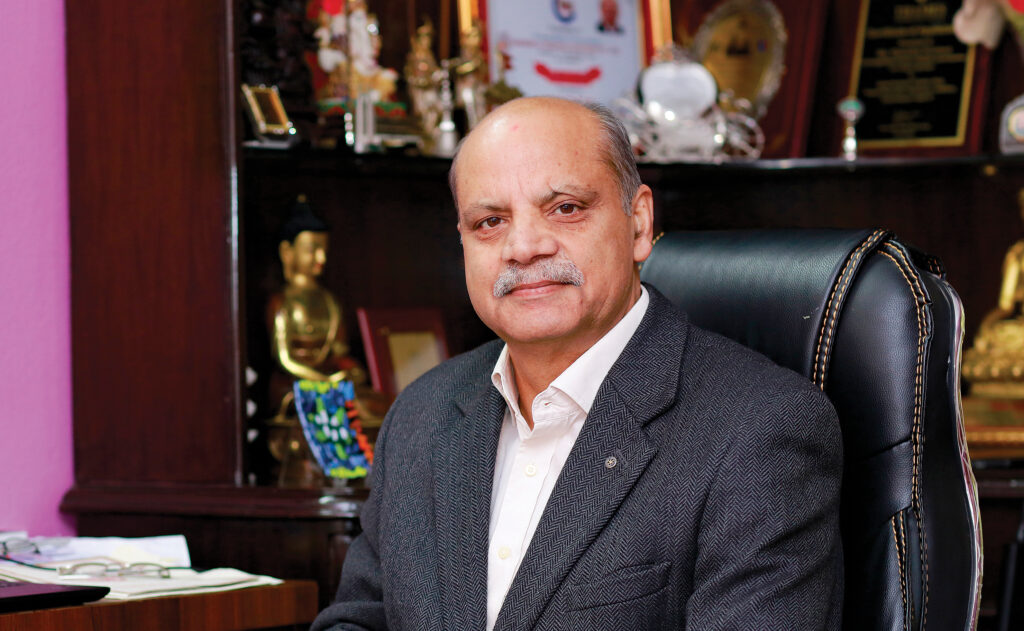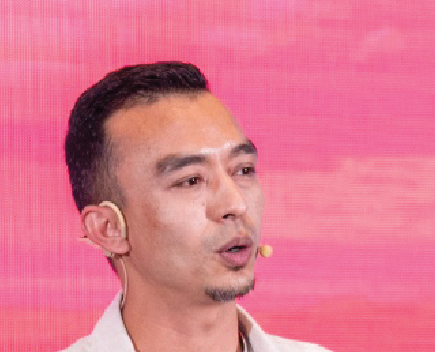
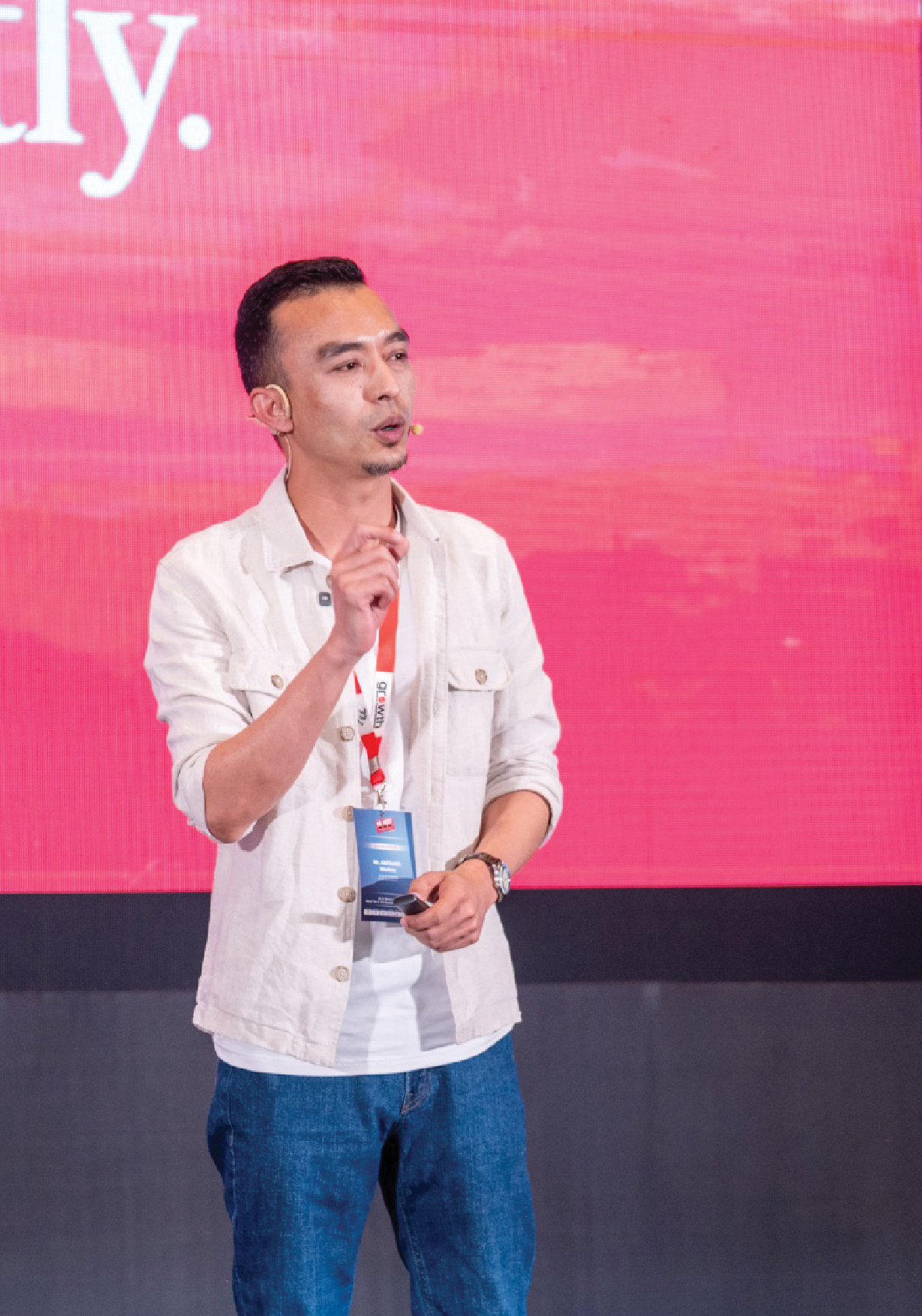
Abhisekh Maskey is the Head of Marketing at F1Soft International. Prior to this role, he served as the Brand Marketing Manager for Coca-Cola Nepal and Bhutan, an experience he describes as an incredible school for business and marketing. Maskey possesses a wealth of expertise, with 14 years of experience spanning marketing, branding, and education. He is also the author of Why PPT Sucks – The Deck, a set of 52 learning cards designed to help students and professionals improve the way they structure, design, and deliver presentations. The HRM Nepal recently spoke with Maskey regarding various dimensions of branding and marketing. Excerpts from that interview are provided below.
 Q: F1Soft operates across multiple fintech verticals. How is your marketing department structured to handle that scale?
A: We essentially function as an internal marketing and communications agency, treating each vertical such as Fonepay, eSewa, Foneloan, Fonepoints, FoneNXT, Galli Maps, and Vidhi Pro as an individual client. Business objectives are established by the CEOs and marketing heads of these respective verticals. Our role is to translate those goals into actionable work, including campaigns, thematic communication, performance marketing plans, events, and digital strategies. Reporting to the Group CMO, my team includes account managers who gather requirements and ensure plans align with brand and marketing objectives. The Digital Marketing Manager oversees the execution side, managing digital marketing, SEO, and design. We collaborate closely, ensuring all efforts remain aligned with our broader organisational goals.
Q: Marketing is often described as part science, part art. How do you see that balance?
A: I would push back slightly on framing it as a balance. It is more of a discipline. The problem arises when people tilt too far in one direction. Pure creatives often chase aesthetics without asking if they move the needle, while pure performance marketers chase numbers without considering the long-term impact on the brand. Both approaches are dangerous. You need the rigour of data and the intelligence of a communication strategy working in tandem. One without the other is simply expensive guesswork.
Q: How does that philosophy translate into how you split your efforts between brand and performance marketing?
A: Roughly 70% of our effort and budget is dedicated to performance marketing because targets are real and they matter. The remaining 30% is allocated to brand marketing, which builds equity and earns respect over the long run. However, I would offer a caution: that 70% does not mean chasing every viral TikTok trend. Hitting targets and being strategic about how you hit them are not the same thing. Communication strategy is what separates brands that win in the short term from brands that people actually trust.
Q: How do you approach annual planning for the brands you manage?
A: Everything starts with the business objective. What does the vertical want to achieve this year? Once that is clear, we work backward to determine which campaigns, activities, channels, and timelines will get us there. The plan must be grounded in the goal, rather than guesswork or what was done the previous year. But I will also say this: a great plan with lazy execution leads nowhere. We are disciplined about the daily tracking of campaign performance. It is easy to get excited about going live and then immediately shift attention to the next project. That is a trap. If you are not monitoring what is working, it becomes an expensive game.
Q: You work with some of Nepal’s most recognised fintech brands. What’s the real challenge there?
A: The challenge is that familiarity can often be mistaken for affinity. People know these brands, certainly, but being known is not the same as being loved or respected. Our job is to deepen that relationship, transforming these products from mere utilities into things people actually want to use. Conversely, fintech is complex. Much of what these platforms do is genuinely difficult to explain. Simplifying those concepts for end users and for the BFIs who must then communicate them to their own customers presents a double translation challenge. This is where communication design becomes critical.
Q: You mentioned traditional marketing. Is it still relevant in a digital-first world?
A: Very much so. I believe there is a generation of marketers who have grown up entirely in the digital space and genuinely underestimate the importance of media planning. Sometimes the most significant impact of a campaign stems not from the creative execution, but from where and how it is placed. A well-planned media mix, where traditional and digital work in tandem, can dramatically outperform a beautiful campaign that is launched in the wrong place at the wrong time.
Q: You have spoken about internal alignment as a prerequisite for marketing success. Can you expand on that?
A: Without leadership and internal alignment, winning is nearly impossible. Marketing does not exist in a silo. It requires the business to believe in the direction and necessitates cross-functional teams for execution. At F1Soft, that collaboration truly exists. Coming from a business background, I found that fintech has its own language – full of abbreviations, technical terms, and product logic – which can be overwhelming. However, everyone here, from leadership to the engineers, is open to helping you understand. That culture is what makes the work possible.
Q: Speaking of culture, you were involved in something called ‘Tiger on a Cliff’. What was that?
A: That is one of my proudest achievements here. I was part of the committee that established the company’s core values and cultural pillars under the acronym TIGER on a CLIFF: Trust, Integrity, Grit, Empathy, Respect, followed by Collaboration, Learning, Innovation, Fairness, and Fun. The goal was to provide everyone within the organisation a shared language regarding how we work and who we are. When culture exists only in a document no one reads, it is useless. However, when it becomes something, people can actually recall and reference, it begins to do real work.
Q: How does HR factor into how your team functions?
A: HR plays a far greater role in marketing success than most people acknowledge. Clarity of expectations, team structure, and role definition serve as the invisible scaffolding that allows creative and strategic work to flourish. Furthermore, there is a genuine opportunity for HR to lead employer branding, which is often an underutilised asset. The way a company communicates its identity to potential employees is, in itself, marketing and deserves the same level of rigour.
Q: You run internal workshops where employees train employees. What’s the thinking behind that?
A: It aligns perfectly with our culture. When you have a team with diverse expertise like marketers, designers, tech specialists, and strategists, there is an enormous amount of knowledge that remains unshared simply because there is no structure for it. Internal workshops, where our own staff serve as trainers, solve that problem. It also sends an important signal that we value the talent already present here. You do not always need to bring in an outside expert to acquire something valuable.
Q: What is your advice to HR professionals who want to think more strategically about employer branding and internal communication?
A: Treat your employees like an audience you are trying to earn, rather than a captive group you are merely broadcasting to. Internal communication follows the same rules as external communication: it must be clear, consistent, and meaningful. If you want to build an employer brand that truly attracts talent, start by being honest about your culture. People can easily sense the gap between what a company claims to be and what it actually is.