
The industrial and technological revolutions redefined modernisation, economic progress, and development. Countries vied to achieve high-growth trajectories through robust infrastructure, expanded production, value-chain integration, and the export of goods and services. However, this drove surplus production that overexploited natural resources and caused environmental degradation. These resulting ecological deficiencies exacerbated threats to the entire planet and human civilisation, ultimately establishing the foundation for a new developmental discourse centred on green growth, green economies, and sustainable development.
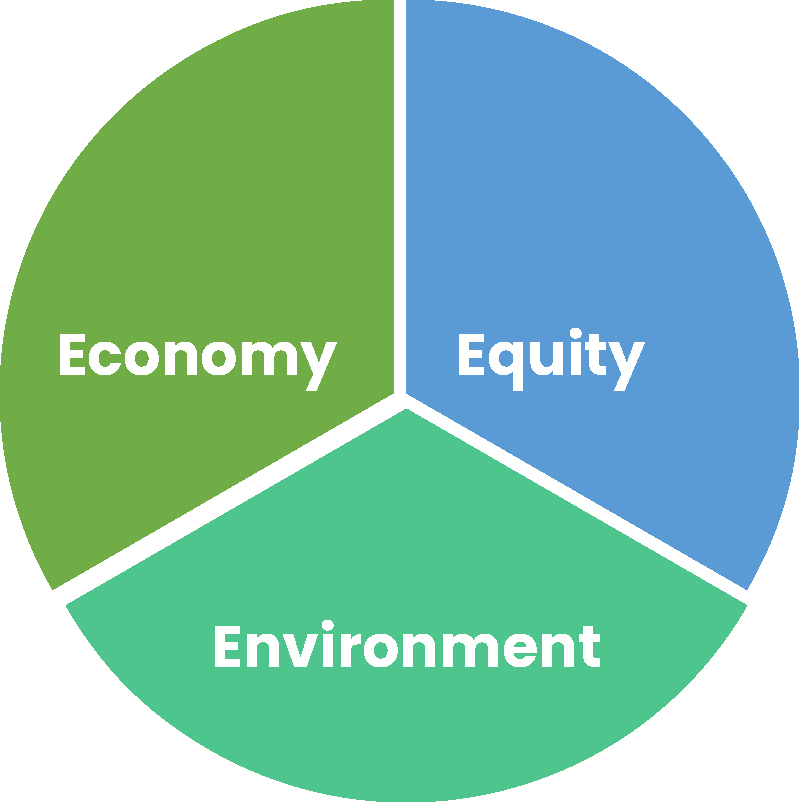
This sustainable development agenda hinges on a triangular relationship among the economy, society, and the environment. While the environment is profoundly affected by societal and economic activities, developmental initiatives remain heavily driven by nations’ entrenched desires to become wealthy, modern, and advanced.
 In the new development paradigm, countries have realised that the progress achieved so far cannot be sustained without addressing environmental challenges. However, it is often said that the only truly irreversible phenomenon is ‘modernisation’, meaning humanity cannot return to the early ages of civilisation or to the pre-industrial era.
The new development agendas focus on minimising the exploitation of the environment and natural resources, adhering to adaptation and mitigation practices, and innovating eco-friendly development methods. Simply put, this process is akin to detoxifying or cleansing the world of the adverse consequences of environmental degradation.
The circular economy, clean energy and sustainable eco-tourism in Nepal
The green and sustainable agenda is values-driven, rejecting a unidimensional focus on material progress or measuring advancement solely through economic growth. Instead, it identifies and innovates eco-friendly practices, explores new opportunities, and reinforces ongoing adaptability.
Industries, construction, services, agriculture, and household activities are increasingly adopting environmentally friendly techniques and technologies to minimise carbon footprints, greenhouse gas emissions, and other degrading environmental impacts. It is reported that multinational corporations (MNCs) have collectively committed to the Paris Agreement target, which requires companies to reduce emissions in line with a 1.5°C global temperature rise and achieve net-zero emissions by 2050. They were also duly consulted by the UN Intergovernmental Panel on Climate Change (IPCC).
Activities like the rampant use of plastics in industrial and household practices, the use of lead and harmful chemicals in the paint industry, and water contamination from garbage leachate or untreated industrial wastewater have been gradually minimised. The green and sustainable development agenda reinforces the principles of reduce, reuse, and recycle, and many industries in Nepal have been adhering to this ‘3R’ framework. This minimises the consumption of raw materials that rely overly on natural resource extraction, while promoting reuse and recycling to the greatest extent possible.
Over time, the circular economy has been witnessed thriving across both industrial and household practices.
Initially, it was considered that industries might suffer significantly due to the operational practices they inherently followed. However, they have been pioneering new technologies with minimal emissions, introducing new production practices, and developing green value chains. For example, Dabur Nepal has stated that the company has been cultivating Medicinal and Aromatic Plants (MAPs) in satellite nurseries across the country, ranging from an altitude of 90m up to 2,700m and covering 109 acres of land. According to Dabur Nepal, this footprint has reached almost 30 districts and engaged more than 200 farmers.
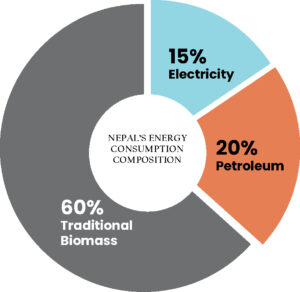 Nepal, utilising its hydro energy potential, has been orienting national policies towards clean transport and clean cooking solutions. Further, its green hydrogen potential is also being explored as a future source of energy. Nepal envisions becoming a powerhouse of South Asia by enhancing its installed capacity to 28,500 megawatts by 2035 and optimising the system through an energy mix, particularly from solar energy and green hydrogen. The integration of a clean energy supply chain with clean cooking solutions and clean transport is expected to substitute the existing consumption of petroleum products and LPG. Nepal’s energy consumption is largely reliant on traditional biomass, which pollutes the environment. While the substitution of biomass and petroleum through clean energy would deliver transformational change, it remains difficult to substitute them in the near term.
Against this backdrop, the government has recently introduced green taxes through the fiscal budget for 2026/27 by scrapping the excise duty on vehicles to develop a robust charging infrastructure for electric vehicles.
Apart from clean energy, the country’s tourism sector has equal potential to contribute to the green value chain. As Nepal is known for its snow-capped, majestic Himalayas above 8,000 metres, breathtaking views of glacial lakes and waterfalls, as well as subtropical and alpine forests, the conservation of these resources protects wildlife habitats and conserves flora and fauna. Nepal can rebrand itself as the perfect destination for sustainable eco-tourism that conserves the environment and sustains the well-being of local people.
The tourism sector carries vast potential and can serve as an anchor for environmentally sustainable, resilient, and inclusive development. This potential can be unleashed by attracting tourists from across the world, which must be supported by quality infrastructure, skilled human resources, and proper conservation.
Transition to green regulatory frameworks & Corporate Social Responsibility
Industries that were once highly concerned with being competitive, minimising costs, and taking advantage of economies of scale are now equally focused on environmental sustainability. Most of them have developed Environmental and Social Governance (ESG) guidelines for environment-friendly operations and supply chain management.
Corporates are not just abiding by green and sustainable practices in their operations and supply chains, but are also taking worthy and meaningful initiatives. In Nepal, the Coca-Cola Foundation joined hands in an initiative to clean mountains above 8,000 metres – Mt. Everest, Mt. Lhotse, Mt. Annapurna, and Mt. Baruntse – a campaign led by the Nepal Army back in 2023 that drew global attention. Additionally, some commercial banks, namely Nabil Bank, Global IME Bank, Siddhartha Bank, and Everest Bank, have developed and revitalised public parks under their corporate social responsibility (CSR) initiatives.
Checklists based on ESG and issues identified by Environmental Impact Assessments (EIAs) have long been part of development, construction, and industrial operational projects. The Nepal government has been strictly enforcing EIA reports in development projects, considering the sensitivity toward environmental encroachments from development initiatives or industrial operations.
Though corporates have been adhering to Environmental and Social Governance guidelines and aligning their CSR activities to support environmental conservation and green initiatives, the government and regulators are gradually introducing a stricter framework. Moving forward from the soft framework of ESG for green and environment-friendly activities, these rules target private sector entities within the regulatory scope. It is understood that a Green Taxonomy is a standardised classification system that establishes strict, science-based criteria to define which economic activities, assets, or investments are environmentally sustainable. It provides a strict ‘label’ to prevent the risk of greenwashing by ensuring an activity significantly contributes to an environmental goal.
Nepal Rastra Bank, the central regulatory and monetary authority, has also introduced the Green Finance Taxonomy, which, according to the central bank, aims to enhance sustainable finance, provide a standardised framework to classify economic activities, and mobilise green investments more effectively.
Ethical framework and resource optimisation in the 2030 Agenda
The Sustainable Development Agenda, also known as the 2030 Agenda for Sustainable Development, does not just complement the economy, society, and environment; its 17 goals are intertwined with each other, where one complements another to deliver development achievements in a composite form if implemented properly.
Sustainable development itself is a science of a complex system and is based on an ethical framework. There are tradeoffs between accelerated development ambitions and the sustainable use of resources. However, if a choice is made with a conscience, whether to exploit certain resources within 10 years to achieve all sorts of material development, or to exploit those resources over a 100-year period to achieve incremental development, using resources for the long term is a wise choice.
According to experts, “Sustainable development hinges on resource optimisation or achieving more from the less use of natural resources. Resource optimisation is a fundamental element in development management.” The consequences of over-exploitation and emissions have resulted in ozone layer depletion, global temperature rise, and erratic and extreme weather conditions, among others. Due to the non-substitutable character of nature, we have already lost many things due to the encroachment on nature by human activities. This has escalated the uncertainty of resources, leading to issues such as water crises, the rapid melting of the Himalayas, and glacial lake outbursts.
Irreversibility has already been witnessed in some plant and animal species, meaning biodiversity conservation can only protect the rest of the endangered species from becoming extinct. Another major dimension of sustainable development is equity in society, or a society without discrimination.
Opportunities & strategic progress in sustainable development
The green and sustainable development initiatives create a new window of opportunities for industries to contribute to environmental sustainability, while simultaneously minimising the adverse impacts of climate change on vulnerable communities and restoring biodiversity.
Nepal envisioned implementing the Sustainable Development Goals across three periodic plan periods starting from the 14th plan to the 16th plan (2016/17 to 2028/29). However, the Covid-19 pandemic, frequent natural calamities, and domestic adversities lagged the country behind in achieving these ambitious goals. Nonetheless, it has shaped policy coherence, streamlined the implementation capacity of the government, and oriented household and business activities toward green, resilient, and sustainable practices.
In addition, the country has been exploring resources that can be availed from carbon trading and other alternative means to finance developmental activities, adaptation and mitigation technologies, alongside research and development (R&D) for innovations, according to Finance Secretary Ghanshyam Upadhayaya.
State and non-state actors implement multi-sector green and sustainable approaches to address environmental and economic challenges. The government frames policies and laws, providing guidance and facilitation, whereas non-government actors, including communities, provide grassroots advocacy and ensure environmental initiatives are equitable and inclusive.
Unilever Nepal: Advancing a Green, Resilient and Sustainable Economy
 Unilever Nepal Ltd. (UNL) is playing an important role in advancing Nepal’s transition toward a green, resilient, and sustainable economy by embedding sustainability at the core of its business operations. As part of the global Unilever ecosystem, the company aligns its local strategy with key priorities including climate action, the circular economy, water stewardship, and responsible sourcing, demonstrating how global sustainability frameworks can be effectively localised to deliver meaningful impact in Nepal.
A cornerstone of this journey is UNL’s Hetauda manufacturing facility, where significant strides have been made in decarbonisation and energy transition. The installation of advanced low‑carbon technologies, including an electric boiler, among the first within Unilever’s South Asia operations, marks a decisive shift away from fossil fuels. Today, approximately 90% of the facility’s energy requirements are met through renewable sources, including solar and hydro-based electricity. These efforts have substantially reduced greenhouse gas emissions while supporting Nepal’s ambition for clean energy-led industrial growth.
UNL is also advancing circular economy practices by improving resource efficiency and minimising waste. Adopting Unilever’s ‘reduce, circulate, and collaborate’ plastics strategy, the company is actively reducing virgin plastic use, enhancing recyclability, and strengthening waste recovery systems. Notably, 79% of plastics used in operations are now recycled and reused, reflecting tangible progress toward circularity. Beyond its operations, UNL is working with municipalities, communities, and stakeholders to strengthen waste management systems through segregation, recycling, and awareness initiatives. UNL’s past collaboration with the Nepal Army on large-scale mountain clean-up campaigns further reinforces its commitment to addressing plastic pollution at a national level.
Water stewardship remains a critical priority. Through advanced technologies such as Reverse Osmosis and efficient water management systems, UNL has recycled 33,959 kilolitres of water, reducing dependence on freshwater resources in an increasingly climate‑vulnerable context.
The company also recognises the importance of community resilience. Through partnerships with local organisations, UNL supports initiatives focused on water conservation, afforestation, and environmental resilience, helping communities adapt to climate challenges while safeguarding natural ecosystems.
Embedded within all these efforts is a strong culture of employee engagement and continuous improvement. Sustainability is integrated into day-to-day decision-making and operational excellence programmes, ensuring it remains a core business driver rather than a standalone initiative.
Collectively, these actions position Unilever Nepal as an example in responsible manufacturing. The company’s experience demonstrates that sustainability and business growth can go hand in hand, contributing meaningfully to Nepal’s priorities of climate resilience, resource efficiency, and sustainable industrialisation.
Key Operational Highlights-2025
79% of plastics recycled and reused against collection of 1,857 MT of plastics
58% reduction in CO2 emissions | 33,959 KL of water recycled
90% of energy sourced from renewables
Water and Environmental Stewardship practices by BNL
 Protecting natural resources is a shared responsibility, and for Bottlers Nepal Limited (BNL), it is an important part of doing business. As Nepal’s sole authorized manufacturer and distributor of Coca-Cola products, BNL recognizes that water and a clean environment are resources that communities depend on every day. Over the years, the company continues to invest in projects that advance water stewardship, waste management, and women’s empowerment supported in part through The Coca-Cola Foundation (TCCF), reflecting a continued commitment to improving operational efficiencies through timely innovation and investment.
Water Stewardship
BNL began its water stewardship journey in 2014 with a clear goal: to replenish more water than it uses in beverage production. Today, the company has achieved water neutrality and supports over 17 water replenishment projects across Nepal, in partnership with organizations including CIUD, WaterAid Nepal, Splash Nepal, Smart Paani, and WWF Nepal. Three of these initiatives illustrate the depth and diversity of BNL’s on-the-ground work.
Beeshazari Taal and Tiger Lake Rejuvenation, Chitwan
Beeshazari Taal is one of Nepal’s most important wetlands. Located in the buffer zone of Chitwan National Park, this Ramsar-designated lake system provides critical habitat for Bengal tigers, one-horned rhinos, crocodiles, and hundreds of bird species. With TCCF support and in partnership with WWF Nepal, BNL has backed efforts to restore and maintain the ecological integrity of Beeshazari and its associated lakes. Conservation of this lake system has also supported local communities through ecotourism.
Baisdhara (Balaju Park) Project, Kathmandu
Balaju Park is home to the historic Baisdhara, or “22 Dhara,” a series of traditional stone spouts that had begun to dry up due to declining groundwater levels. With support from TCCF, and in partnership with CIUD and WaterAid Nepal, BNL implemented a groundwater recharge system estimated to replenish around 30,000 kiloliters of water annually, helping revive this important heritage water source.
Extending this work beyond Balaju Park, BNL and CIUD jointly installed groundwater recharge systems in Wards 22 and 25 of Kathmandu. These systems help address growing urban water demand and improve groundwater availability in areas where access has become increasingly unreliable.
Environmental Stewardship
Nepal faces a growing waste management challenge, and BNL is committed to being part of the solution. Guided by The Coca-Cola Company’s global vision for packaging collection and recycling; a vision focused on a more circular economy and one that may well extend beyond 2030. BNL along with TCCF has partnered with a range of local organizations to divert plastic from landfills, create green livelihoods, and build environmental awareness from the ground up.
Mountain Clean-Up Campaign
In partnership with the Nepali Army, The Coca-Cola Foundation supported mountain clean-up campaigns aimed at preserving the fragile Himalayan ecosystem and promoting responsible waste management. Through this collaboration, waste collected from high-altitude regions was brought back for proper segregation and recycling, reinforcing the importance of collective action in protecting Nepal’s natural heritage.
WOW (Well-being Out of Waste) Project
In partnership with Khaalisisi and BNL, the WOW project diverted 144,000 kg of PET bottles from landfills in its first year while creating livelihood opportunities for women and informal waste collectors. The initiative also supports an inclusive circular economy through its Material Recovery Facility and the ‘Samman Ghar’ safe space for the children of women waste workers.
Refresh and Recycle Project
BNL’s collaboration with Doko Recyclers is part of the joint “Refresh and Recycle” project, which commenced in August 2020 with the support of local authorities. As part of its second phase, 15 PET Collection Bins were placed across 9 locations in Kathmandu and 6 locations in Bharatpur helping divert recyclable materials away from landfills and into responsible recycling channels through community awareness and education.
Together, these projects reflect BNL’s longstanding commitment to protecting water resources and improving environmental sustainability. From restoring ancient springs to cleaning the world’s highest mountains, BNL continues to give back helping build a cleaner, more resilient Nepal for generations to come.
Dabur Nepal Towards a Greener Tomorrow
 Dabur Nepal Pvt Ltd is a step-down subsidiary of Dabur India Ltd and carries a legacy of trust and quality spanning more than 30 years in Nepal. As one of the leading FMCG companies in the country, it was incorporated in 1989 and commenced operations in 1992. Dabur Nepal stands as one of the most successful joint ventures in Nepal, with its products becoming popular household names.
The company operates through three primary verticals: the Export business, the Domestic business, and the Bioresource division. Supported by a world-class manufacturing facility in Birgunj and a state-of-the-art greenhouse facility in Banepa, it employs over 1,000 direct and indirect personnel and impacts the livelihoods of more than 20,000 households.
Dabur Nepal has always operated as a responsible business entity, focusing not only on commercial success but also on its surrounding ecosystem. Whether investing in an extensive water treatment plant, pioneering alternative fuels in its operations, utilising solar energy, or supporting local communities in health, education, and community development, Dabur Nepal has consistently championed sustainability. Its Bioresource Division was established with the meaningful purpose of preserving and conserving rare species of medicinal and aromatic plants.
Medicinal plants, which are increasingly facing extinction, serve as a major source of medicine for humankind. According to the World Health Organisation, nearly 80% of the population in developing countries depends on traditional medicine, which is predominantly plant-based. Globally, roughly 50,000 to 72,000 plant species are used for medicinal purposes. In India, an estimated 4,000 plant species are utilised in various Ayurvedic and Unani preparations, while this number is notably lower in Nepal, standing at around 1,400.
Fully aware of the incalculable value of nature, the Dabur Group strives to preserve biodiversity through a variety of initiatives that involve communities across the country. As the world’s largest manufacturer of Ayurvedic products, Dabur believes in practicing responsible ecological management and continuously works to address environmental issues.
As part of its sustainability strategy, Dabur has stepped up efforts to halt the accelerated loss of biodiversity through programmes aimed at protecting rare medicinal herbs from extinction, with Dabur Nepal at the helm of this approach. The company identifies environmentally sensitive species of medicinal plants and herbs, developing methodologies to address their sustainability needs. By partnering with local communities and farmer groups nationwide, it conducts specialised training programmes for farmers, villagers, and local communities to educate them on sustainable and eco-friendly cultivation processes.
Deeply embedded in its DNA is Dabur Nepal’s continued commitment to the Dabur Group’s environmental vision of ensuring its operations leave no negative impact on the planet. For the past three decades, the company has continuously worked to foster a sustainable future through various initiatives and programmes run by its Bioresource Division.
Dabur Nepal established a fully automated, state-of-the-art greenhouse in Banepa, Kavrepalanchok District, which has been operational since 1998, with the vision to promote and conserve Medicinal and Aromatic Plants (MAPs) through cultivation. The greenhouse is dedicated exclusively to growing and nurturing medicinal plant saplings, propagating more than 20 million saplings of priority, medicinal, aromatic, and multipurpose tree species, including many native varieties annually. Equipped with a state-of-the-art quality testing lab for MAPs, this facility has also developed advanced propagation and cultivation techniques for more than 40 species.
With satellite nurseries across the country operating from altitudes of 90m up to 2,700m and covering 109 acres of land under cultivation for herbs and medicinal plants, the company’s footprint has reached almost 30 districts. It distributes saplings of these medicinal and aromatic plants through various projects to reach their specific niche areas for further cultivation, enabling farmers to grow and supply standardised medicinal plants on a large scale. The company engages with more than 200 farmers, community forest groups, and cooperatives for large-scale cultivation, ensuring a long-term, sustainable supply of raw materials for Dabur products and showcasing Dabur Nepal’s dedication to both environmental sustainability and community development.
Over 20,000 rural residents have directly or indirectly benefited from these activities. Dabur’s commitment to environmental stewardship extends far beyond mere planting. By engaging in community-driven initiatives, providing quality planting materials, offering comprehensive packages of practices, and promoting environmental awareness, Dabur Nepal actively fosters a greener, more sustainable future.
Green, Resilient and Sustainable Economy
The Varun Beverages Nepal Journey
 At Varun Beverages Nepal Pvt. Ltd. (VBNPL), sustainability is not merely a corporate responsibility. It is a fundamental pillar of our business philosophy and long-term growth strategy. Our vision of fostering a green, resilient, and sustainable economy extends beyond operational excellence to creating meaningful and lasting value for our employees, communities, stakeholders, and the environment.
As one of Nepal’s leading beverage manufacturers, VBNPL recognises that sustainable growth can only be achieved by maintaining a balance between economic progress, environmental stewardship, and social responsibility. Guided by our Environmental, Social, and Governance (ESG) framework, we continuously strive to conserve natural resources, improve operational efficiency, reduce our environmental footprint, and contribute positively to the well-being of society.
Water is the lifeblood of our industry, and responsible water management remains at the heart of our sustainability agenda. Through efficient water-use practices, advanced treatment systems like Effluent Treatment Plants (ETPs), water conservation initiatives, and the continuous monitoring of resource utilisation, we are committed to preserving this invaluable natural resource for future generations. Our efforts are focused not only on reducing water consumption within our facilities but also on promoting responsible water stewardship in the communities where we operate.
In addition to water conservation, VBNPL is actively investing in energy-efficient technologies and environmentally responsible manufacturing practices. The installation of solar panels at our facilities demonstrates our commitment to increasing the use of renewable energy and reducing dependence on conventional energy sources. Furthermore, the implementation of advanced environmental technologies, such as Thermax Bag Filter Dust Collector Systems for our boiler operations, helps minimise air emissions and improve environmental performance. These initiatives support our journey toward reducing our carbon footprint and contributing to a cleaner, greener, and more sustainable future.
Our sustainability commitment also encompasses responsible packaging, waste management, and recycling initiatives. By embracing the principles of a circular economy, we seek to minimise waste generation, maximise resource efficiency, and encourage the responsible collection and recycling of packaging materials. Through these efforts, we are helping create a cleaner environment while generating long-term value for society and future generations.
However, sustainability is not limited to environmental initiatives alone. At VBNPL, we firmly believe that the health, safety, and well-being of our employees and their families are essential to building a resilient and productive organisation. Our people are our greatest asset, and we remain committed to creating a workplace that promotes safety, wellness, and overall quality of life.
In line with this commitment, VBNPL established the AARU Clinic at Sinamangal, Kathmandu, as a significant step toward improving healthcare accessibility for our employees, their families, and members of the local community. Since its inception in 2023, the clinic has served as a trusted healthcare partner, providing quality primary healthcare services free of cost and supporting preventive healthcare practices.
The AARU Clinic offers a range of complimentary healthcare services, including:
• Free Medical Consultation
• Free Medicines
• Free Laboratory Testing Services
To ensure the highest standards of healthcare delivery, VBNPL has partnered with Vayodha Hospitals Pvt. Ltd. for the management and operation of the clinic. The facility is staffed by a team of qualified, experienced, and dedicated healthcare professionals who are committed to delivering compassionate and quality medical care. This partnership reflects our belief that access to healthcare is a critical component of sustainable development and community well-being.
Through the AARU Clinic, we aim not only to address immediate healthcare needs but also to promote health awareness, early diagnosis, and preventive care practices. By investing in the health and well-being of our employees, their families, and the surrounding communities, we are fostering stronger, healthier, and more resilient communities capable of contributing to Nepal’s sustainable development journey.
As we look toward the future, VBNPL remains steadfast in its commitment to driving sustainable growth through innovation, environmental responsibility, operational excellence, and social impact. We will continue to invest in initiatives that enhance resource efficiency, reduce environmental impact, support community development, and create shared value for all stakeholders.
Our journey is guided by the belief that true success is measured not only by business performance but also by the positive and lasting difference we create in the lives of people and the protection of our planet.
Green in our actions, resilient in our operations, and sustainable in our vision, this is the foundation of VBNPL’s commitment to building a better, healthier, and more sustainable tomorrow for generations to come.

