
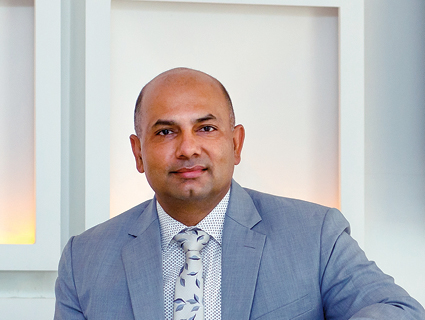
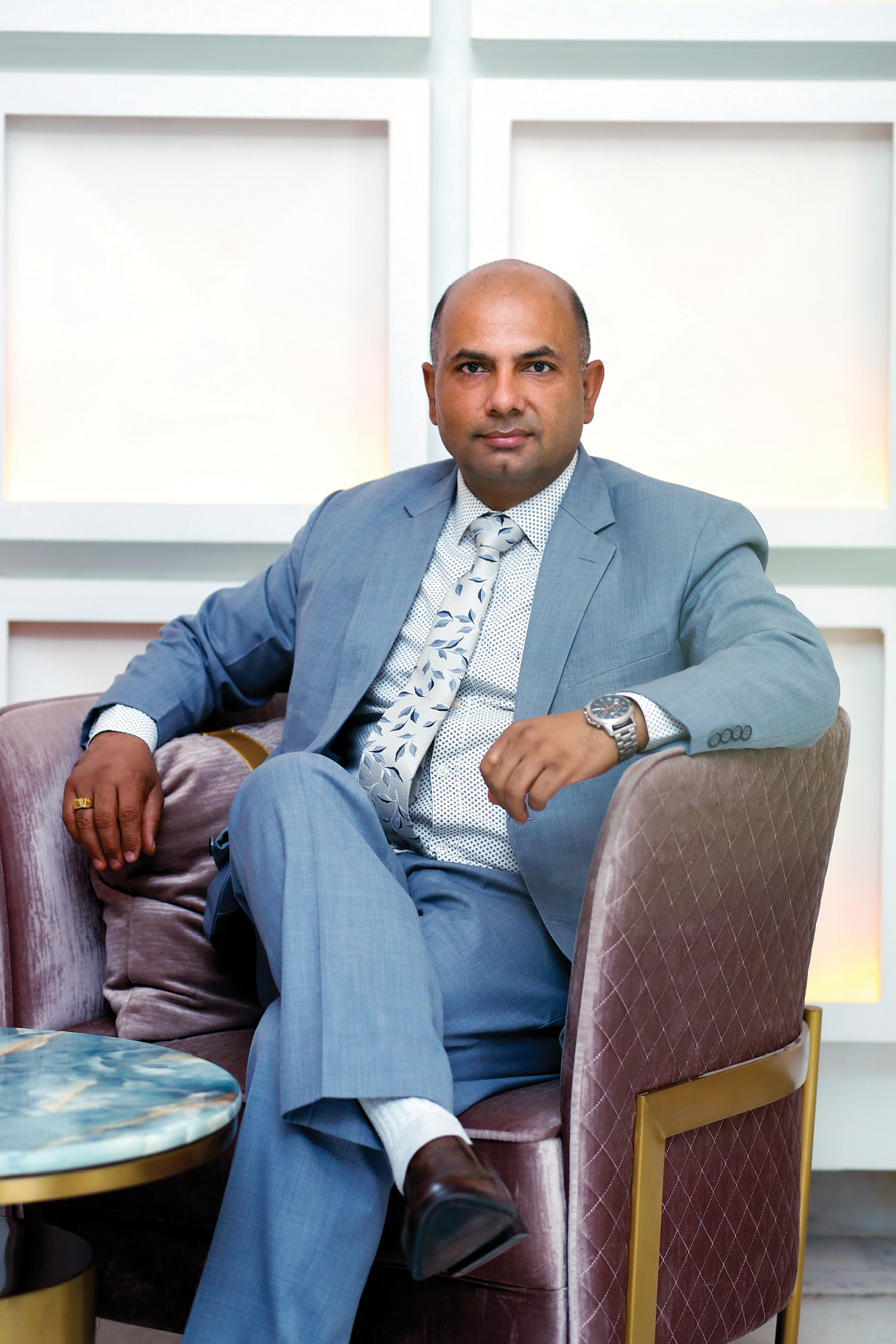
Diipesh KC, General Manager, Hotel Himalaya Lalitpur
Right after my graduation in hotel management from Nepal Academy of Tourism and Hotel Management (NATHM), I began my professional hospitality journey from 2002 as a trainee officer in Food & Beverage department at The Everest Hotel. At that time, Nepal’s hospitality industry was at a very different stage – limited star hotels and international brands, fewer five-star properties, and highly competitive opportunities whereby maximum management positions were being looked after by expats.
What that era taught me was simple but powerful: titles are given, but credibility is earned on the floor. The first job provided me the foundational 360-degree view of hospitality operations, which is essential for senior management. I would say this role likely bridged the gap between academic degree vs real reality (pain and gain) of the industry.
 Career plan
My first job gave me far more than technical skills – it shaped my mindset. I learned the art of guest engagement, the importance of attention to detail, and the discipline of service standards. I understood that in order to achieve excellence at work, we need to have complete development of 3 H in our work life no matter where we at:
- First H – is your hand. However, when your hand only works it is just labour.
- Second H is your head. When your hand and head work together, it becomes skill.
- Third H is your heart. When the hand, head and heart work together in a team – it becomes an art.
But beyond operations, I learned three lifelong hospitality principles: Consistency creates trust
Teamwork drives excellence
Guest experience is everything
These principles still guide my decisions today at the leadership level.
Transitions and triggers
My first job played a foundational and transformative role in shaping my journey toward senior leadership. It was not just an entry point, it was where I built the mindset, discipline, and operational understanding that I still rely on today.
Starting as a trainee officer to higher position in Food & Beverage, I was exposed to the core of hotel operations, from guest interaction and service delivery to coordination between departments. I learned how every small detail contributes to the overall guest experience, and how consistency in execution builds trust and brand reputation.
More importantly, it taught me people management at the most practical level. I worked closely with diverse teams, handled real-time challenges, and observed different leadership styles. This helped me understand what motivates teams, how to manage pressure situations, and how to maintain service standards even during peak operational hours.
One of the biggest advantages was gaining ground-level insight. Today, as a General Manager, I do not make decisions in isolation. I make them with a clear understanding of operational realities. I know the challenges my team faces because I have experienced them myself. This has allowed me to lead with empathy, credibility, and confidence.
In essence, my first job did not just prepare me for the next role, it laid the entire foundation for my leadership philosophy, enabling me to grow from managing tasks to leading people and driving organisational success.
 Reinforcement of strengths
Every long career comes with moments of reflection. There were challenging phases – high pressure, long hours, and demanding expectations.
However, hospitality has a unique energy. It is an industry where no two days are the same, and every day you create experiences that people remember. Nevertheless, that sense of purpose and human connection never allowed me to step away. Yet, as a human being, experiencing shifting thoughts and internal debates remains a natural pattern, and I am no exception. You know the grass always looks greener on the other side, but when you look deeper, you discover the truth of the illusion.
When I reflect on my journey, I see it as a process of continuous learning, adaptation, and transformation rather than just career progression.
I started my career focused on operations – learning the fundamentals, understanding guest expectations, and delivering service with consistency. At that stage, success meant executing tasks efficiently and meeting standards.
As I grew, my role evolved from doing to leading. I began managing teams, taking ownership of outcomes, and understanding that hospitality is ultimately a people-driven industry. This phase taught me the importance of communication, motivation, and building strong teams.
Over the years, my perspective further shifted toward strategic leadership. Today, my focus is not only on day-to-day operations but on long-term vision – driving business performance, adapting to market changes, and creating sustainable growth. I have learned to balance guest satisfaction, employee engagement, and financial results, which are the three pillars of successful hotel management.
The evolution of Nepal’s hospitality industry has also played a key role in my growth. From a developing market to a more competitive and globally connected industry, it has constantly challenged me to stay updated, innovate, and raise standards.
Most importantly, my journey has taught me that growth is not just about position, it is about mindset. From being detail-oriented in operations to becoming vision-driven in leadership, the transition has been both challenging and rewarding.
Today, I see myself not just as a hotel manager, but as a leader responsible for developing people, creating experiences, and contributing to the growth of the industry as a whole – think, work and grow together.
An eye witness of sectoral growth
The transformation of the hospitality sector over the years has been significant and inspiring. We have moved from a developing market to an emerging global destination.
Entry of international hotel brands and bringing global standards has increased the growth in luxury, wellness and experimental tourism. Digital transformation in bookings and marketing has been a game changer. Hospitality is no longer just about accommodation, it is about personalisation, storytelling and creating memorable experiences. It has pushed hotels to innovate continuously.
Today, the industry is more competitive, more dynamic, and more opportunity-driven than ever before, however, here in Nepal we still lack when it comes to providing basic elements of tourism – in terms of various amenities and accessibility to touristic destinations for the tourists. Although we see significant opportunities to uplift Nepal’s tourism industry, we remain far below our potential due to the government’s lack of adequate marketing, promotion, infrastructural development, research, and understanding of global tourism needs, which is deeply regrettable. We now remain optimistic that a stable and capable government will address the long-standing challenges facing our nation’s hospitality industry.
Nepal must reposition itself – from a volume-driven destination to a value-driven one. While the volume of tourist arrivals is equally important, we should focus on the length of stay (LOS) and visitor spending rather than just numbers, anticipating their needs for meaningful experiences. Beyond this, prioritising and improving specific sectors will attract high-end tourists: upgrading infrastructure and service standards, developing unique premium products, fostering public-private partnerships in tourism investment and development, and strengthening products alongside robust global branding and promotion. This includes promoting luxury trekking, wellness retreats, and exclusive cultural tours, while targeting niche segments such as high-net-worth travellers and MICE tourism.
Nepal’s hospitality industry has not developed to the level we discuss or expect in terms of ROI. Operationally, a major transformation driven by technology is evident – online reservations, property management systems, and other digital platforms have completely changed how we operate and engage with guests.
More recently, the industry has shifted toward an experience-driven approach, where the majority of guests seek personalised and authentic stays rather than just accommodation. The devastating 2015 earthquake, followed by the COVID-19 pandemic, pushed the industry to adopt standard safety and security protocols alongside hygiene standards and contactless services.
Today, sustainability and responsible tourism are shaping the future with a strong focus on environmental stewardship and community engagement.
Core competencies
As a hospitality sector person, where ever I work, I always try to develop high-performing, service-driven teams that consistently deliver exceptional guest experiences. I believe leadership is not just about managing operations, but about inspiring people and building a culture of ownership, accountability, and excellence.
I have focused on empowering my teams through mentorship, clear direction, and continuous development, enabling them to grow into confident professionals and future leaders. My leadership approach combines discipline with empathy, ensuring strong results while maintaining a motivated and engaged workforce. Ultimately, my goal has always been to leave behind stronger teams, improved standards, and a lasting positive impact on both guests and the organisation.
I firmly believe that a hotel’s true asset is not merely its infrastructure; it is its people who possess a positive attitude, as skills can be cultivated in any individual with an optimistic mindset.
I believe I have been able to contribute meaningfully, but I also believe that learning, doing and leading is a continuous journey.
There is always more to achieve, more to improve, and more value to create. I see my current role not as a peak, but as a platform for greater impact.
In my roles, I have been able to apply my operational expertise, leadership skills and guest service insights effectively contributing to team development and overall business performance.
Developing work culture and skilling, reskilling and upskilling of workforce
A strong and positive work culture is essential in the hospitality industry, as it directly impacts service quality and guest satisfaction. The following culture should be fostered:
Guest-centric mindset: Every employee should prioritise guest satisfaction, going the extra mile to create memorable experiences.
Respect and teamwork: A culture where staff support each other, communicate openly, and respect all roles creates a smooth operation.
Continuous learning: Encouraging training, feedback, and skill development helps employees grow and stay motivated.
Recognition and appreciation: Acknowledging good performance boosts morale and encourages excellence.
Accountability and professionalism: Employees should take ownership of their responsibilities and maintain high service standards.
Work-life balance and well-being: A healthy environment with fair schedules reduces burnout and improves retention.
In short: a culture that values people, promotes teamwork, and focuses on service excellence is key to long-term success in hospitality.
Furthermore, the solution for the skilled human resources gap in this sector lies in a long-term approach – building a work environment that encourages retention, for which strong bonding, support, and collaboration from the government are essential for better pay and work culture. Developing a talented workforce is only one side of the coin; retention and inspiration represent the other, and without this combination, the coin is worthless.
Proactive government motivation, support in training, and the implementation of practical, lucrative policies for skilled workers to ensure their retention within our country are key to bridging this gap. As we can see, thousands of trained and skilled individuals depart for abroad every month to seek better financial positions to meet their personal and family needs.
Competing with global brands
Competing with globally reputed hotel and hospitality brands in Nepal has definitely been challenging but also very enriching.
International brands like Marriott, Radisson, Hilton and Hyatt bring strong brand recognition, standardised systems, and global service benchmarks. This naturally raises customer expectations across the market.
However, reputed, tested and trusted independent hotels like our Hotel Himalaya have their own unmatched strengths. We understand Nepali culture deeply, therefore we can offer more personalised service, and adapt quickly to guest needs. In many cases, guests value authentic experiences over standardised luxury.
The key challenge has been matching consistency, training standards, and technology. But this competition has pushed us to upgrade our service quality, invest in staff development, and innovate continuously.
So overall, while the competition is tough, it has actually helped elevate the entire hospitality industry in Nepal.
Career advice to fresh graduates
Hospitality is not a shortcut career – it is a journey. Focus on learning, build strong work ethics, and never compromise on attitude.
Start from the ground, stay patient, and remain consistent. In any work, connect with and convince yourself to do it from the heart; results will naturally emerge as a byproduct. In this industry, your attitude will always define your altitude.
Ultimately, hospitality is not just about hotels. It is about people, experiences, and memories. If we focus on creating value for people, success will always follow.

